Egypt Travelling Guides · Transit
Navigating Between Regions in Egypt
Moving around Egypt lets you watch the landscape shift from the window of a train, bus, or boat. This guide lays out the practical options for reaching the coast, the Nile valley, and the inland oases.
Rail
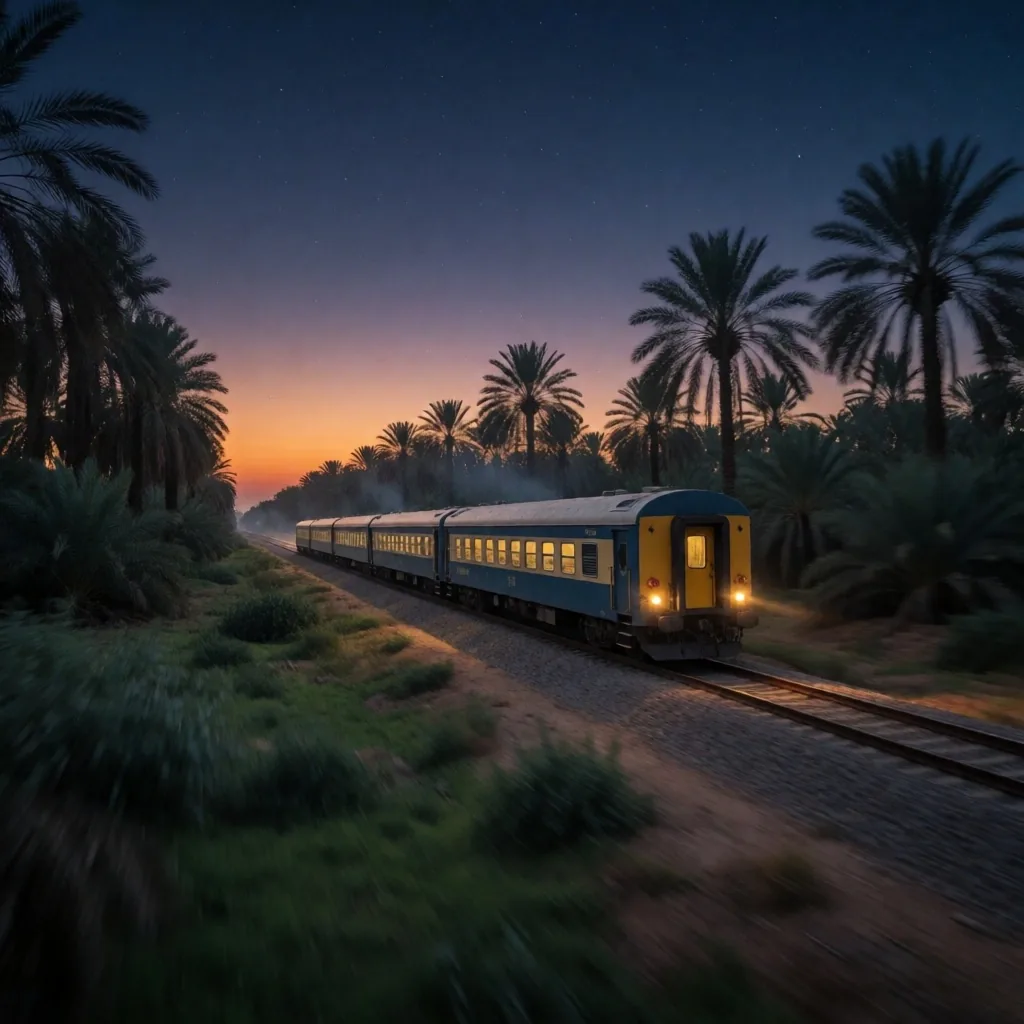
Oldest network in the region. Tracks follow the Nile from the capital north to Alexandria and south toward Aswan.
Air-conditioned carriages available
Bus
Coaches reach the Red Sea coast and Western Desert oases. The network is extensive, connecting even remote villages.
Book a day or two ahead
Air
Domestic flights link Cairo, Hurghada, Sharm El Sheikh, and Aswan. Most routes last around an hour.
Fastest option, skips the views
Ferry
Small motorboats cross the Nile at many points. Larger ferries connect Sinai to the mainland across the Red Sea.
Weather affects schedules
Plan
Mix methods to get the full picture — train down the Nile, bus to the coast, boat along the shore.
Orientation
How to think about getting around
Egypt's transportation network connects the Mediterranean coast, the Nile valley, the Red Sea, and the Western Desert oases. For a traveller into Egypt, understanding the options before you depart saves time and reduces stress on the ground. The country spans a huge area, and the mode you choose shapes what you see along the way.
Trains, buses, domestic flights, ferries, microbuses, taxis, and private drivers all operate on different schedules and comfort levels. Some routes run several times a day; others leave only when full or depend on weather. This guide breaks each option down so you can match the method to your route, your timeframe, and your comfort level.
The information below draws on what independent travellers actually encounter on the ground. Where details vary — schedules, frequency, road conditions — we note what to check before you set out.
Method 01 · Rail
The Rail Network
The Egyptian railway system is one of the oldest in the world. It remains a strong way to travel between Cairo, Alexandria, and the southern cities along the Nile. Trains follow the river's path, which means the window views sweep across the agricultural heartland — palm groves, sugar cane fields, and small villages pressed between the water and the desert edge.
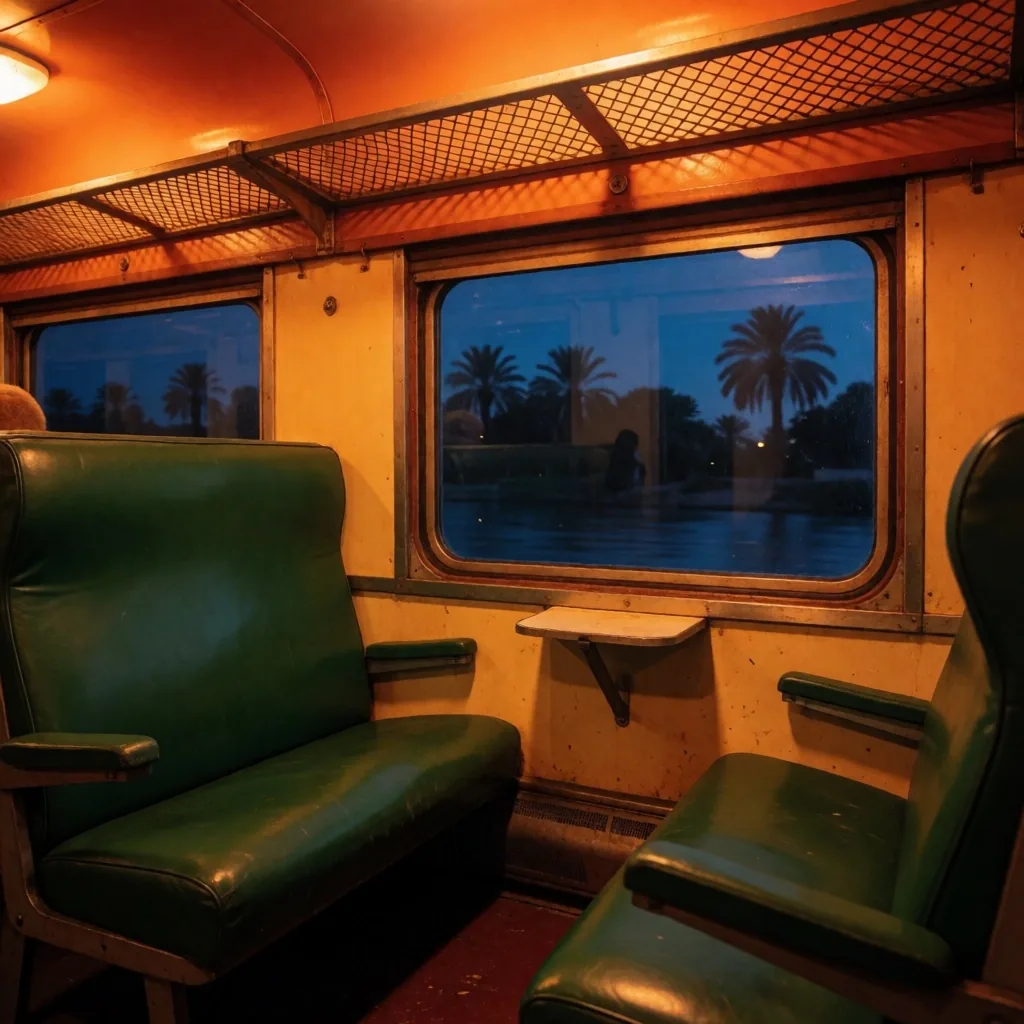
We recommend choosing the higher-class air-conditioned carriages for longer journeys. The difference in comfort is noticeable, and the cars are quieter. Seats can be reserved in advance at major stations, and you should do so whenever possible, especially on popular routes during weekends and holidays.
The schedule is generally reliable, but delays do happen. Build a buffer into your connections, and check departure boards at the station rather than relying solely on printed timetables. For a traveller into Egypt who wants to see the Nile valley from ground level, the train is hard to beat.
Method 02 · Road
Long-Distance Bus Services
Buses are the most common way to reach coastal destinations and the Western Desert oases. Several private and government-run companies operate modern, air-conditioned coaches that balance comfort and cost. The network is very extensive, reaching even the more remote coastal villages that trains and flights do not serve.
Coverage
Routes span the Red Sea coast, the Delta, the Nile valley, and the Western Desert oases. Smaller villages are connected by minibus feeders from larger bus terminals.
Comfort Level
Air-conditioning is standard on long-distance coaches. Seating is generally assigned, and the better companies run newer fleets with reclining seats and onboard restrooms.
Booking Lead Time
Reserve a day or two in advance, especially during peak travel periods and holidays. Same-day seats are often available on less popular routes but not guaranteed.

Method 03 · Air
Domestic Air Travel
For those short on time, domestic flights connect the major hubs — Cairo, Hurghada, Sharm El Sheikh, and Aswan. This is the fastest way to cover large distances, and most domestic routes last around an hour in the air.
The trade-off is that flying skips the scenic overland routes entirely. Air travel is particularly useful for jumping between the Mediterranean and Red Sea coasts when your schedule does not allow a six-hour drive. If you do fly, try to secure a window seat — the desert approaches to the coastal airports are striking from above, especially near sunset.
Method 04 · Water
River Crossings and Ferries
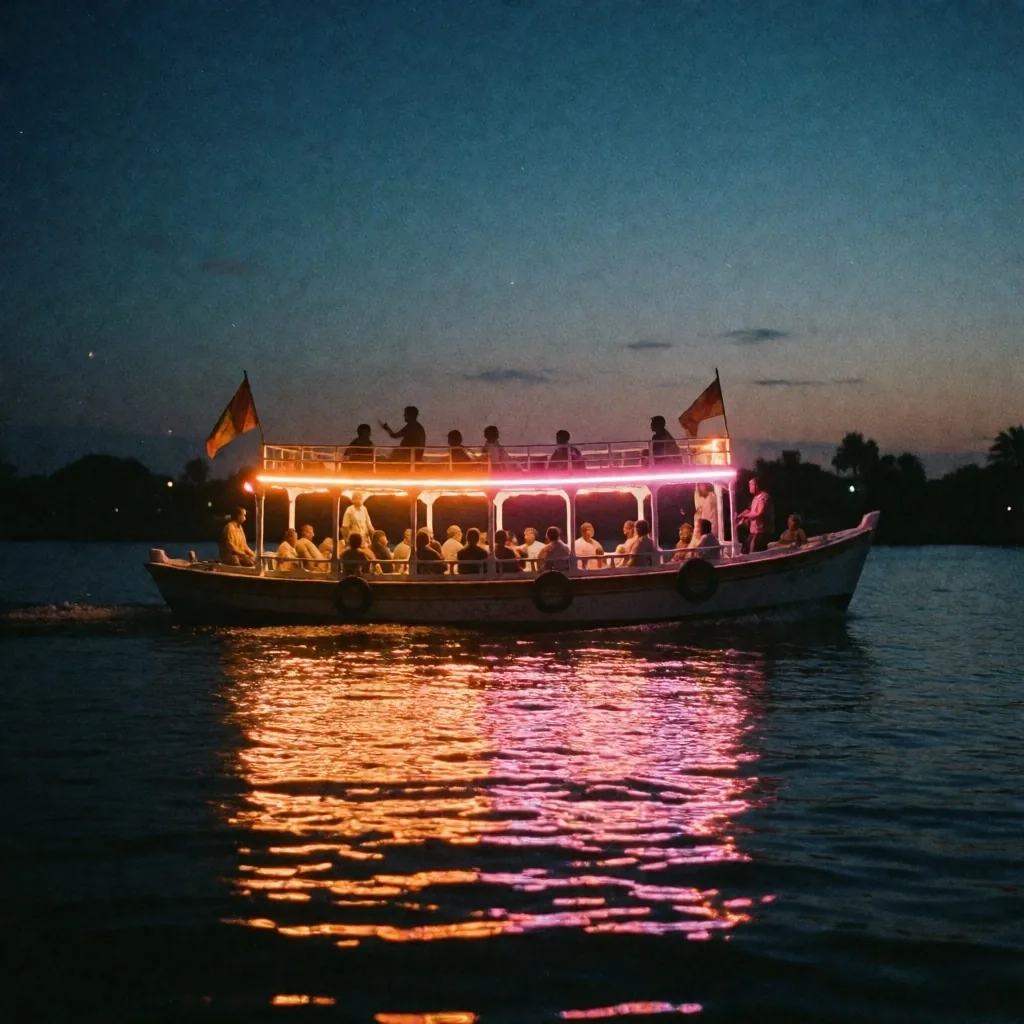
In many places along the Nile, small ferries and motorboats act as bridges, carrying people and goods between the east and west banks. These short trips cost very little and give you a perspective on river life that you cannot get from a bridge or a car.
Larger ferries connect the Sinai Peninsula with the mainland across the Red Sea. Those schedules can shift with weather conditions, so check ahead on the day you plan to cross. For local river crossings, departures are frequent during daylight hours and taper off after sunset.
Method 05 · Local
Local Microbuses and Taxis
Within cities and between nearby villages, microbuses are the primary mode of transport for locals. They are inexpensive and frequent, but they can get crowded and do not follow a fixed schedule — they leave when full.
Taxis are widely available. Always agree on the route before starting the journey, and settle on a fare if the taxi does not use a meter. In major cities, ride-sharing apps are becoming common and offer a transparent way to get around without negotiating.
Microbus
Fixed routes, no fixed timetable. Departs when seats fill. Best for short hops between districts or to nearby towns.
Cash only · Local fare
Street Taxi
Widely available. Agree on the route and fare before starting the journey if the taxi is unmetered.
Negotiate first
Ride-Share App
Growing in major cities. Fares and routes are set in the app, so you see the cost before you confirm.
Transparent pricing
Private Driver
Useful for desert routes and multi-stop day trips. Check the vehicle's condition and the driver's local knowledge.
Arrange in advance
Method 06 · Desert
Navigating the Oases
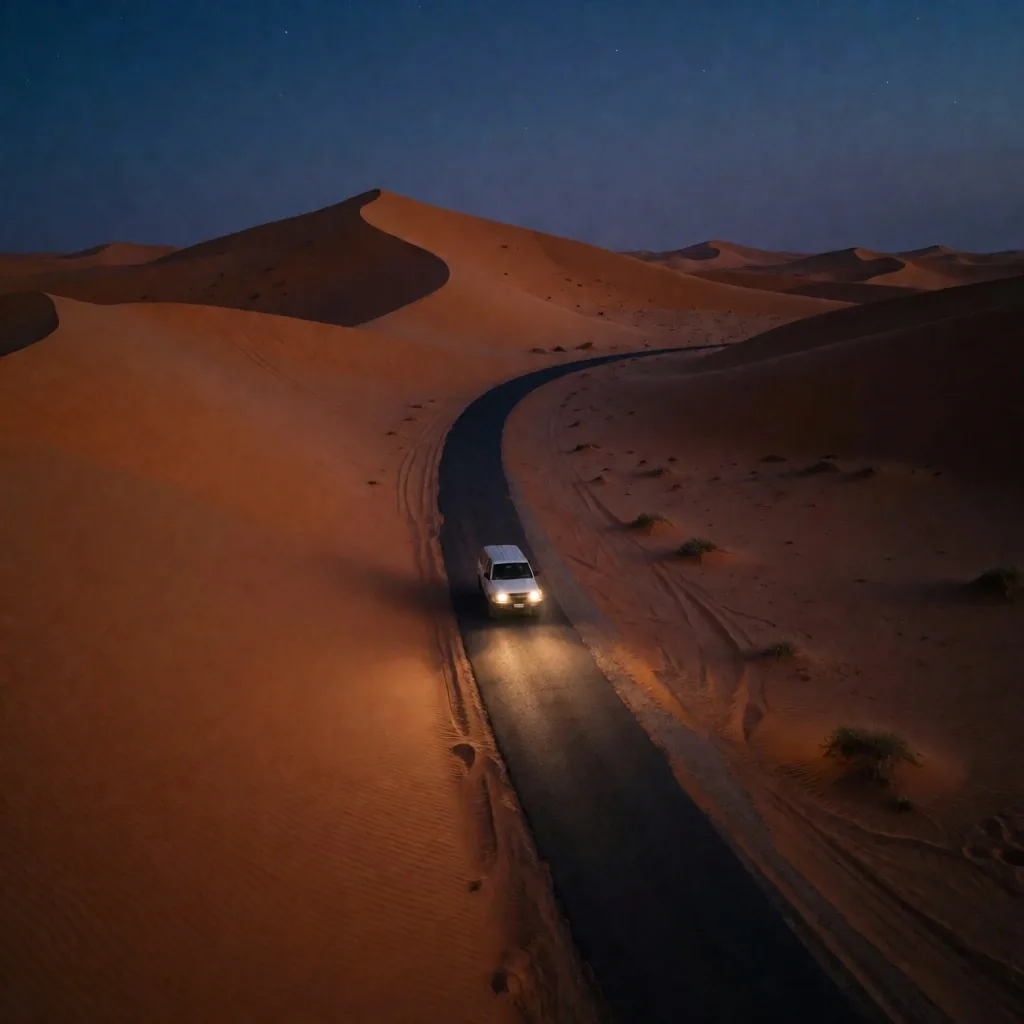
Travel between the oases in the Western Desert usually requires a sturdy vehicle and a driver who knows the tracks. The distances are vast, and the roads can be covered by shifting sands.
Most travellers arrange a local driver to take them between Bahariya, Farafra, Dakhla, and Kharga. This is the safest way to ensure you do not get lost in the unmarked desert terrain. Going alone in a standard rental is not recommended.
Method 07 · Slow
Cycling and Walking
In smaller towns and within the oases, cycling is a fantastic way to explore the local area at your own pace. Many guesthouses offer bicycle rentals for a small fee, and the flat terrain around the oases makes for relatively easy riding.
Walking is the best way to see the smaller details of the landscape — the texture of a stone wall, the shade patterns under a palm canopy, the way a village street narrows and opens. But it is important to be mindful of the heat and the distances.
Always carry plenty of water and a map, even for short excursions. Start early in the morning or late in the afternoon, and avoid midday sun between May and September. Tell someone at your guesthouse where you are headed and when you expect to return.
Method 08 · Caution
Safety on the Road
Road conditions in Egypt can vary, and traffic in urban areas moves to its own logic. When traveling by bus or car, wear your seatbelt whenever possible — it is the single most effective thing you can do to protect yourself.
If you are hiring a private driver, check that the vehicle is in good condition and that the driver is experienced with the local terrain. For desert routes, a four-wheel-drive vehicle and a driver who has done the route before are worth seeking out.
Traveling during daylight hours is generally preferred. The light is better, the road is easier to read, and services along the way are open. Night driving on desert highways is possible but requires extra caution — stray animals and unlit vehicles are real hazards.
Rhythm
Understanding Traffic Rhythms
Traffic in Egypt has its own rhythm, and a lot of it involves horn-honking. The horn is a form of communication rather than aggression — a tap to say "I am here," a longer blast to signal a pass. Once you recognize this, the noise starts to make sense.
Being patient and allowing extra time for your journeys is the best way to handle the local pace. If a microbus takes twenty minutes longer than expected, that is normal. If a ferry waits an extra thirty minutes to fill up, that is also normal.
During major holidays and religious festivals, the roads and public transport can become very crowded. If your dates are flexible, plan around these periods. If they are not, book long-distance seats well ahead and expect delays.
Putting It Together
Planning Your Route
When planning your trip, consider a mix of transportation methods to get the full experience. You might take the train down the Nile, a bus across to the Red Sea, and a boat along the coast. This variety keeps the journey interesting and lets you see the country from many angles.
Think in segments rather than a single booking. A train from Cairo to Luxor, a bus from Luxor to Hurghada, and a flight from Hurghada back to Cairo is a common loop. Each segment has its own booking window, so note the lead times for each.
Our regional guides provide more specific transport tips for each area, including which stations and terminals to use and how to get between them once you arrive.
Where to go next