Explore Egypt Today
Navigating Coastal and Natural Egypt
For the independent visitor
A resource for the modern traveller into Egypt who seeks the serenity of the shoreline and the quiet majesty of the landscape — from the salt-brushed air of the northern coast to the warm currents of the eastern bays.
Two seas, one shoreline
02
Mediterranean north and Red Sea east — distinct climates, different marine profiles.
From the guides
We prioritize ecological awareness and local insight to ensure your stay aligns with the natural rhythm of the Egyptian outdoors.
Chapter One
The Coastal Horizon
What this section covers
Two distinct seas, each with a unique climate and marine profile. Understanding the seasonal shifts helps you choose the right time for swimming or shoreline hiking.
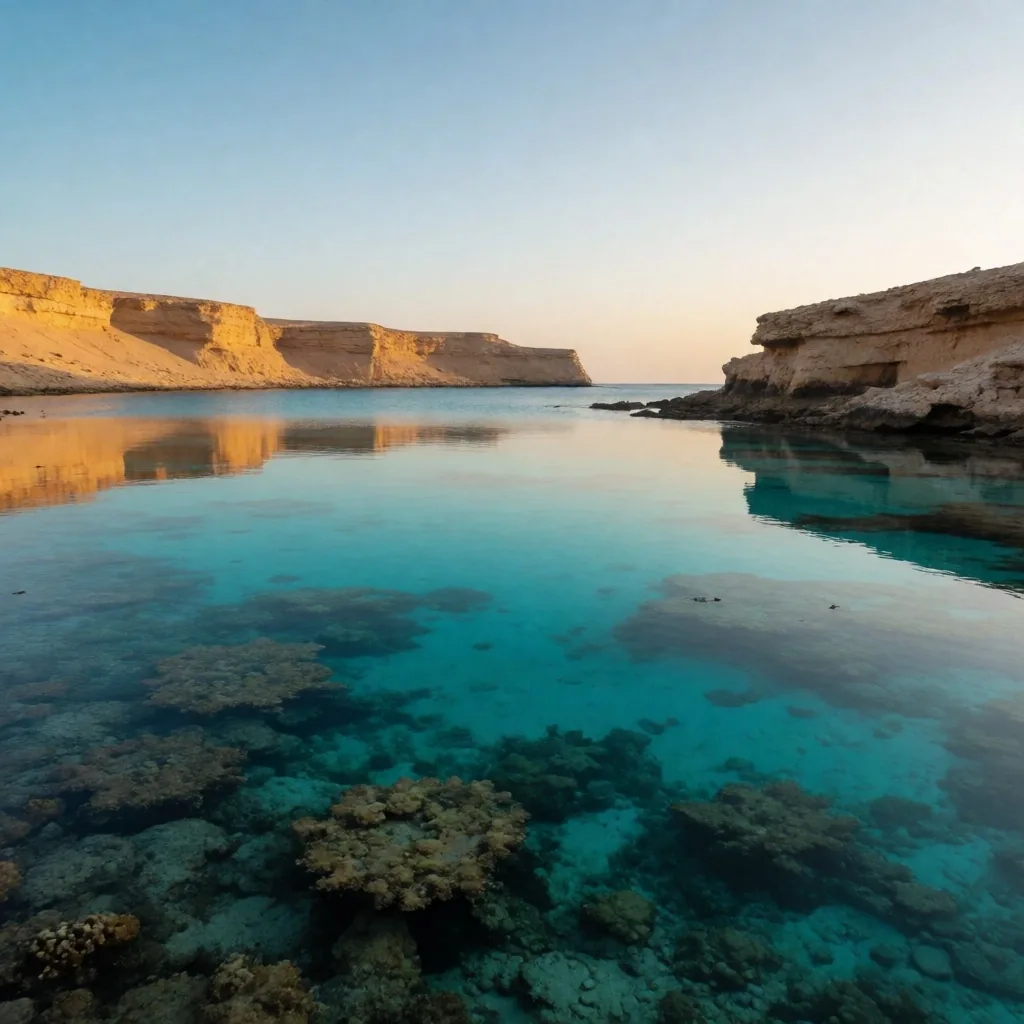
Egypt is bordered by two seas. The Mediterranean north provides a cooler, breezy atmosphere suitable for summer retreats. The Red Sea coast is known for its visibility and year-round warmth, drawing snorkelers and divers who value clear water over calm sands.
Most travellers find that the transition months of spring and autumn offer the most balanced temperatures for exploring both water and sand. Summer on the Red Sea can feel oppressive by midday, while winter along the Mediterranean brings cloud cover and cooler currents. The key is matching your activity — swimming, hiking, bird watching, or simply resting in shade — to the season and the coast.
Mediterranean North
Cooler breezes, stronger swells, summer retreat season. Cloud cover in winter. Best for shoreline hiking and wave-watching when the wind picks up.
Red Sea East
Year-round warmth, exceptional visibility, sheltered bays with glass-like surfaces. Best for observing underwater life. Spring and autumn for balanced temperatures.
Chapter Two
Palm Groves and Greenery
Away from the urban sprawl, date palms define the traditional landscape. These resilient trees are visual markers of an oasis and represent a long-standing agricultural tradition that provides shade and sustenance.
Walking through a palm grove offers a cooler microclimate, showing how local flora adapts to intense sun. The green belts reveal how water management sustains life in an arid environment — irrigation channels run between the trunks, feeding the root systems that hold the soil in place.
View Nature Advice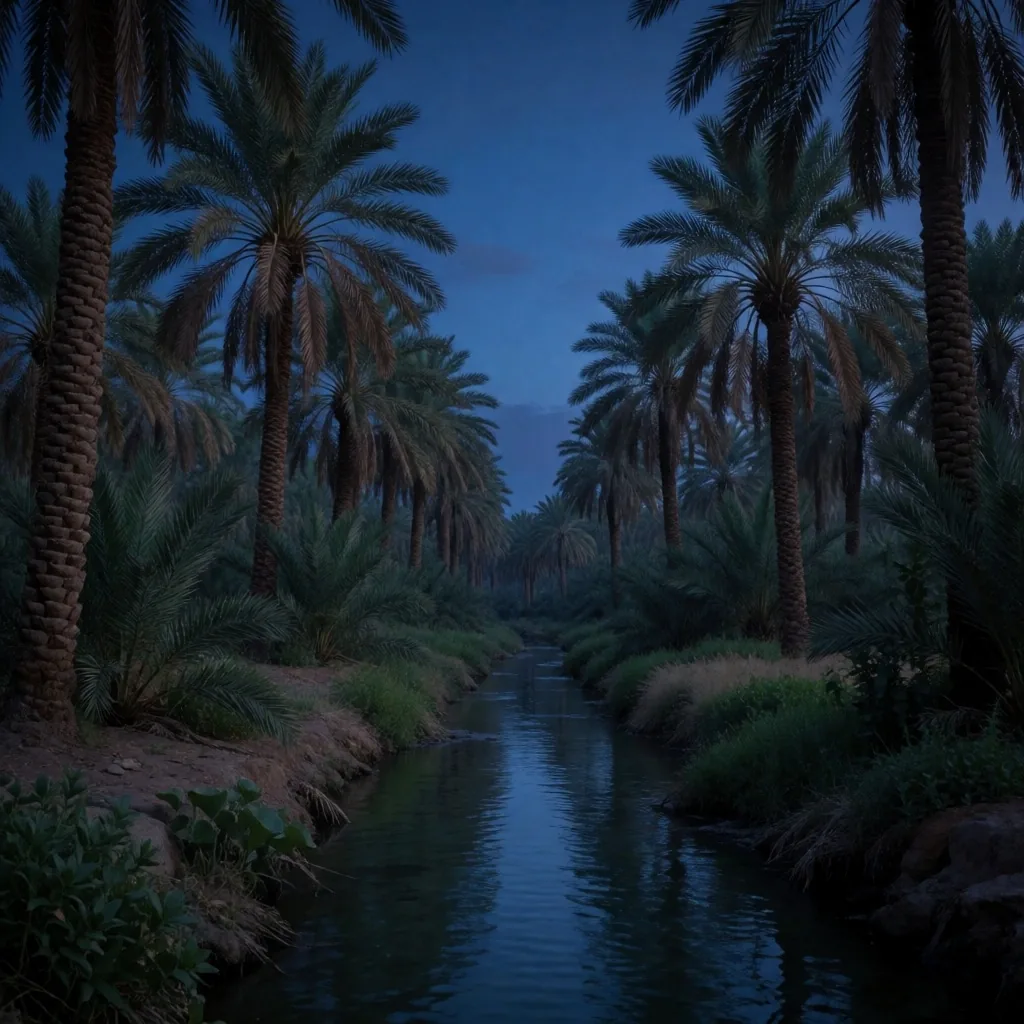
Field observation
Date palms create a microclimate several degrees cooler than the surrounding sand — the canopy blocks direct radiation while evaporation from irrigation lowers the air temperature further.
Chapter Three
Understanding Regional Terrains
Limestone Plateaus
Flat, pale, and reflective. The plateaus radiate stored heat long after sunset. Sturdy closed footwear with grip is essential — the surface is uneven and cuts sharp. Carry extra water; there is no natural shade.
Volcanic Rock — South
Dark, jagged formations that absorb sunlight and radiate heat intensely. Boots with ankle support are recommended. The rock can crumble underfoot on steeper paths, so test your weight before committing to a step.
Fertile Silt Lands
Soft ground along the riverbanks, often cultivated. Lighter footwear works here, but mud can be deep after irrigation. These corridors are where most rural communities live and farm — move quietly and respectfully.
Our egypt travelling guides break down what to expect when moving from the soft sands of the coast to the harder, rocky paths found in the interior valleys. Each terrain demands different preparation — especially regarding footwear and hydration. Coastal sand is forgiving but tiring on long walks; rocky interior paths punish thin soles and weak ankles.
Chapter Four
Wind and Water Conditions
For those interested in water activities, monitoring the wind is essential. The northern coast often experiences stronger swells, making it a favorite for those who enjoy the sound of crashing waves. In contrast, the eastern sheltered bays offer glass-like surfaces ideal for observing underwater life.
Recognizing these patterns ensures you select a destination that matches your preferred pace, whether it is high-energy movement or total stillness. A traveller into Egypt should check local wind forecasts before committing to a coastal path — conditions can shift within hours, and what begins as a gentle shore walk can become a bracing push against salt spray.
Chapter Five
Marine Life Conservation
The coral systems in the eastern waters are fragile ecosystems that require careful interaction. We emphasize the importance of not touching reef structures and using sun protection that does not harm the water quality. Education on marine biology helps visitors identify common fish species without disturbing their natural habitats.
A traveller into Egypt should be aware of the local efforts to preserve these natural wonders for future generations. Reef-safe sunscreen is not a suggestion — standard chemical blockers cause measurable damage to coral polyps. If you cannot source reef-safe formula, wear a long-sleeved rash guard instead.
What to do
- + Wear reef-safe sunscreen or a long-sleeved rash guard
- + Maintain neutral buoyancy while snorkeling or diving
- + Observe fish from a distance that does not alter their behavior
- + Carry a species identification card to learn as you go
What to avoid
- — Touching or standing on coral structures
- — Feeding fish or throwing food into the water
- — Using standard chemical sunscreen near reef areas
- — Chasing or cornering marine life for photographs
Chapter Six
Navigating the Delta
The northern delta is where the river meets the sea, creating a lush environment filled with migratory birds. This area is a sharp contrast to the southern dry zones and offers a glimpse into the agricultural heart of the region.
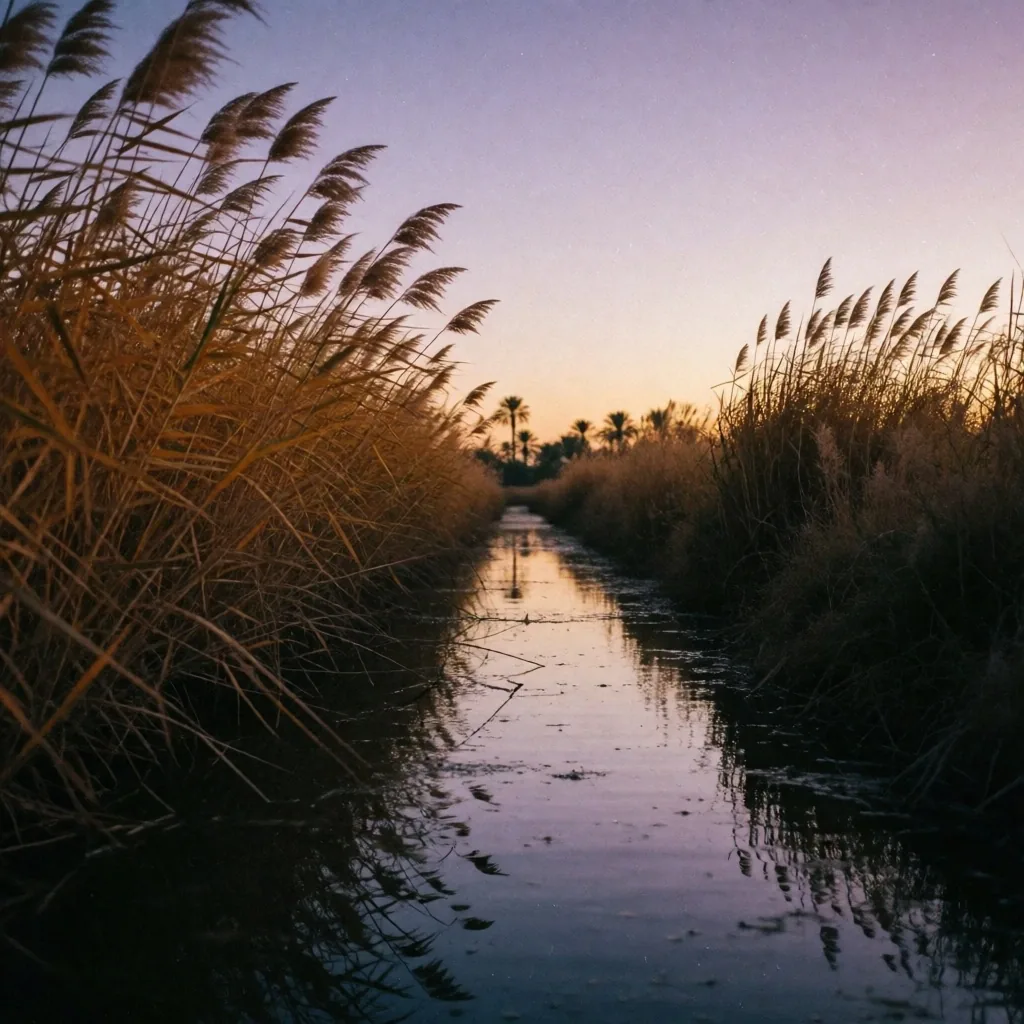
Visitors can explore the network of small canals and observe the traditional farming methods that have remained unchanged for decades. It is a place for slow travel and quiet observation of rural life — the kind of landscape that rewards patience over itinerary.
The canals are busiest at dawn and dusk, when farmers adjust water flow and livestock come to drink. Midday is quiet and hot. If you bring binoculars, the reed beds along the canal edges hold herons, egrets, and kingfishers that stay still if you do.
Chapters Seven and Eight
Sun Safety and Local Flora
Sun Safety and Hydration
The intensity of the sun in North Africa cannot be overstated, even during the winter months. Effective travel guides always highlight the necessity of high-factor protection and consistent water intake.
We recommend carrying reusable containers to minimize plastic waste while ensuring you have access to fluids during long outdoor excursions. Planning your most active hours for the early morning or late afternoon is standard practice for staying healthy.
A wide-brimmed hat, a long-sleeved cotton shirt, and a neck covering do more than sunscreen alone. The sun is direct, but the reflected radiation off sand and water doubles the exposure.
Local Flora Beyond the Palm
While palms are iconic, the region is also home to acacia trees, tamarisk, and various desert shrubs. Many of these plants have medicinal properties recognized by local communities for centuries.
Learning to identify these species adds a layer of depth to any hiking or trekking experience. The resilience of these plants in high-heat conditions is a study in natural adaptation — acacia roots can reach water tables thirty meters below the surface.
Tamarisk grows in dense, feathery clumps along salty ground where few other plants survive. Look for it near coastal lagoons and the delta edge.
Chapter Nine
Evening Atmospheres
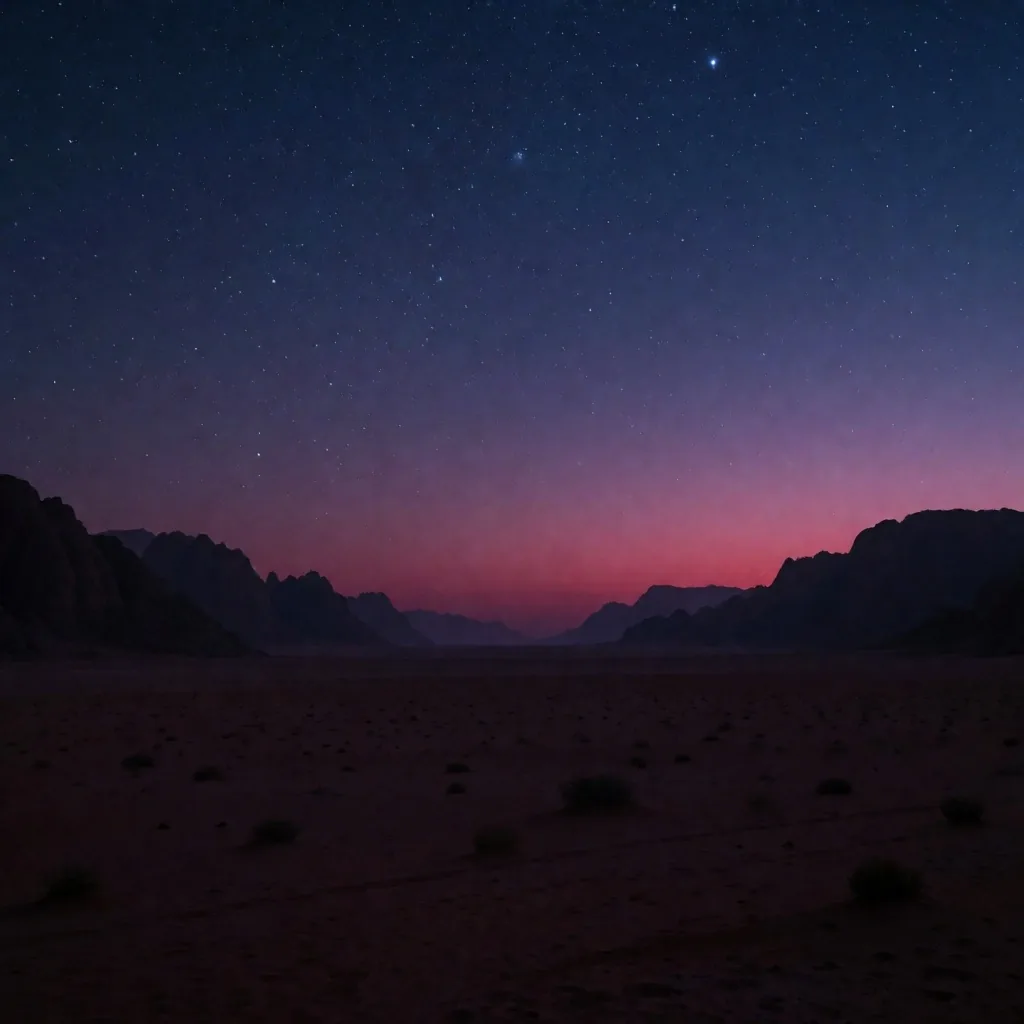
As the sun sets, the temperature drops rapidly. The transition from day to night offers a display of colors across the horizon. Nighttime in the desert or by the sea provides a clear view of the stars, free from the light pollution of major cities. This quiet time is perfect for reflecting on the day's observations and planning the next stage of the trip.
Chapter Ten
Responsible Trekking
Walking through natural sites requires a commitment to leaving no trace. We provide advice on how to manage waste and respect wildlife boundaries during your explorations.
Whether you are on a coastal path or a mountain trail, staying on marked routes protects the soil crust and local vegetation. The desert surface is not dead ground — it is a living crust of lichen and micro-organisms that takes decades to form. A single footprint off-trail can last for years.
Respectful tourism ensures that these natural sites remain pristine for the next person who follows in your footsteps. Carry out everything you carry in, including organic waste like fruit peels — the arid climate does not decompose them quickly.
Chapter Eleven
Bird Watching Opportunities
Egypt serves as a vital bridge for birds migrating between Europe and Africa. During the peak seasons, the skies and wetlands are filled with diverse species, from eagles to flamingos.
Specific locations along the coast and the river valley are designated as prime spots for enthusiasts to observe these journeys. Spring migration peaks in March and April; autumn runs from September through November.
Bringing a pair of binoculars and a local species guide can turn a simple walk into an educational adventure. The delta wetlands and the Red Sea coast are the two most reliable corridors — sit still at a reed edge for twenty minutes and the birds will come to you.
Chapter Twelve
Geological Wonders
The rock formations in certain eastern regions tell a story millions of years old. From white chalk pillars to black volcanic mounds, the geological variety is a record of the earth's shifting history.
These sites are best visited with a guide who understands the history of the land. The formations can be unstable, and weathered surfaces hide drop-offs and crevices that are invisible until you are on top of them.
Formation type
White Chalk Pillars
Soft, pale limestone carved by wind into standing columns. Common in the eastern desert margins. Fragile — do not climb or lean against them.
Formation type
Black Volcanic Mounds
Basaltic rock in the southern desert, dark and dense. Sharp edges and uneven surfaces. Sturdy boots essential; the rock retains heat long after sundown.
Formation type
Sandstone Canyons
Narrow corridors cut through layered sandstone, colored in bands of ochre, rust, and cream. The walls narrow to arm's width in places. Flash flood risk exists — check weather forecasts for inland rain before entering, even if the coast is clear.
Chapter Thirteen
Connecting with Local Communities
While the focus is often on the land, the people living near these natural sites are the true guardians of the environment. Engaging with local residents provides insight into how the weather and geography dictate daily life.
Many coastal villages have a deep connection to the sea, reflected in their food and traditions. Small-scale interactions often lead to the most memorable insights about the region's character — a shared pot of tea, a direction given at a crossroads, a name for a plant you would have walked past.
Approach conversations with patience. Listen more than you speak. If you photograph people, ask first — and respect a refusal.
Chapter Fourteen
Preparing for the Journey
Preparation is the key to a successful trip through Egypt's natural wonders. This involves more than just packing; it requires a mental shift toward a slower, more observational style of travel.
By reading through our curated guides, you equip yourself with the knowledge to navigate the terrain safely and respectfully. The traveller into Egypt who arrives with realistic expectations — of heat, of distance, of the pace of rural life — travels better than one who arrives with a fixed itinerary.
We invite you to explore the sections below to deepen your understanding of each specific region.
Continue reading — egypt travelling guides by region
Region guide
Coastal Escapes
Shoreline destinations, swimming conditions, and coastal hiking paths along the Mediterranean and Red Sea.
Read guide →Region guide
Nature and Wildlife
Coral systems, migratory bird corridors, desert flora, and the conservation practices that protect them.
Read guide →Region guide
Packing Essentials
What to bring for sun safety, hydration, and terrain-specific footwear — from coastal sand to volcanic rock.
Read guide →Before you go
Read travel tips from people who walked the path first
Our travel guides cover terrain, weather, safety, and local customs — written for the independent visitor who wants to understand the land before setting foot on it. Start with the region that matches your route, or read through the safety section if you are still deciding when to go.