Packing Essentials
What to Pack for an Egyptian Nature Journey
Climate Reality
Sun intensity by day, sharp temperature drops after sundown. Pack for both extremes in one bag.
Core Strategy
Versatility wins. Choose layers that protect without overheating, and you stay focused on the landscape.
Activity Span
Coastal relaxation to desert trekking. Every item earns its place by covering more than one scenario.
Quick Download
Save the full checklist for offline reference during your trip preparation.
The Approach
Strategic packing, not more packing
Packing for Egypt requires a strategic approach to handle both the intense sun and the significant temperature variations between day and night. The key is versatility — choosing items that can be layered and provide protection without causing overheating.
These egypt travelling guides provide a practical checklist of essentials for various activities, from coastal relaxation to desert trekking. Being well-prepared ensures that you stay comfortable and focused on the beauty of your surroundings rather than physical discomfort.
Use this page as your master reference. Each section below covers one category of gear, explains why it matters in Egyptian conditions, and notes where the same item serves double duty across different regions and activities.
Region A
Red Sea Coast
Humid salt air, strong reflected glare off the water, and warm evenings. Sandals and a rash guard cover most days. A windbreaker helps on open boats.
- → Sturdy sandals or water shoes for rocky shore entries
- → Personal mask and snorkel for fit and hygiene
- → Quick-dry towel instead of standard cotton
Region B
Inland Desert
Dry heat, loose sand underfoot, and cold nights once the sun drops. Closed-toe boots with ankle support and a warm layer for evening are essential.
- → Closed-toe boots with grip for loose sand and sharp rock
- → Fleece jacket or light down vest for evening warmth
- → Headlamp for navigating after dark in rural areas
Region C
River Valleys
Fertile corridor with insect activity near water at dusk. Modest town clothing transitions you between rural stops and settled communities.
- → Insect repellent for evenings near the water
- → Modest layers covering shoulders and knees
- → Cleaner town set for transitions to settled areas
01 — Clothing
Clothing for heat and sun
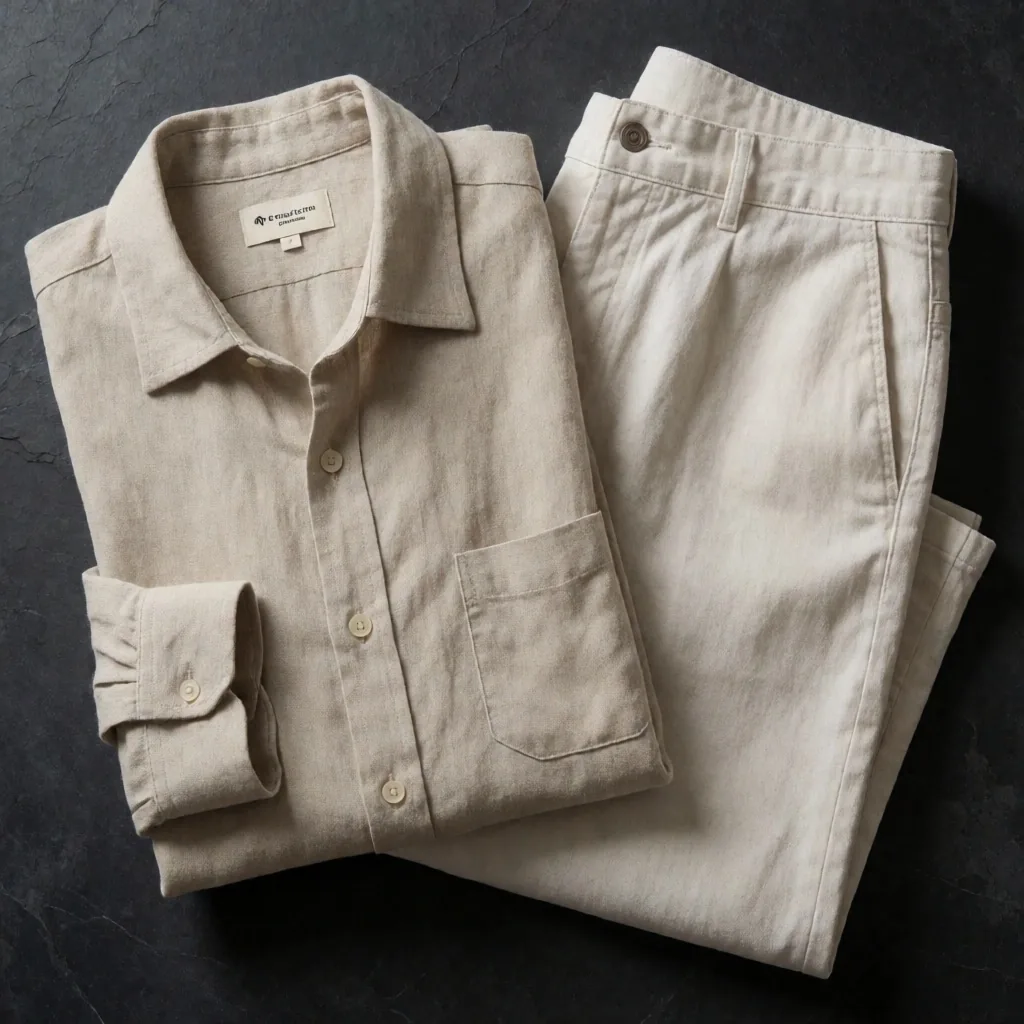
Lightweight, breathable fabrics are your best friends in the Egyptian climate. Cotton and linen keep you cool in still air, while moisture-wicking synthetic fabrics work better for active hiking where sweat needs to move away from skin fast.
Long sleeves and trousers provide the best protection against sunburn and insect bites. Counterintuitive as it seems, covering up is cooler than exposing bare skin to direct sun. Choose light colors that reflect the sun's rays rather than absorbing them.
A lightweight scarf or pashmina pulls double duty: dust shield on windy days, shade layer at midday, and a warmth layer once the evening air turns cool.
02 — Footwear
Footwear for diverse terrains
Coastal
A pair of sturdy sandals handles boardwalks, beach paths, and warm evenings. Add water shoes if your coastal entry involves rocks, coral fragments, or uneven tide pools. Sandals with a secure heel strap stay on during boat transfers.
Desert and Mountain
For desert trekking or mountain hiking, you need closed-toe boots with good ankle support and a tread that can handle loose sand and sharp rocks. Break them in before you travel. Blisters on day one will limit everything that follows.
All Terrain
Don't forget comfortable socks that help prevent blisters during long walks. Merino wool blends manage moisture and resist odor over multi-day use. A second pair of lighter shoes gives your feet a break at the end of the day.
03 — Elements
Protection against the elements
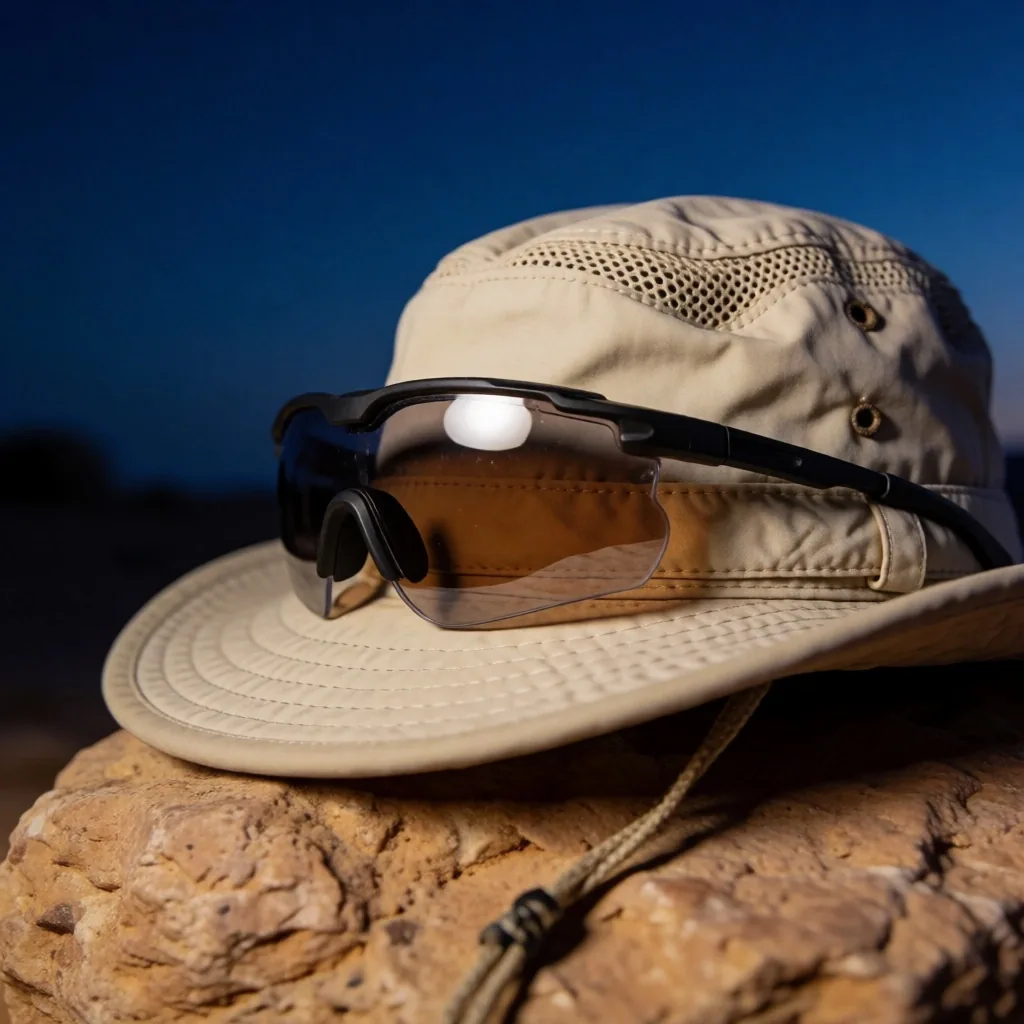
A wide-brimmed hat is an absolute necessity to protect your face and neck from the overhead sun. The brim should be wide enough to cast shadow across your ears and the back of your neck, not just your forehead.
Quality sunglasses with UV protection are vital for eye health, especially with the glare bouncing off sand and water. A lightweight scarf or pashmina is a versatile item that can protect against dust, provide shade, or offer a layer of warmth in the evening.
04 — Hydration
Hydration and nutrition gear
Staying hydrated is the most important part of any trip to Egypt. We strongly advocate for carrying a reusable, insulated water bottle to keep your fluids cool. In desert conditions, you lose moisture faster than you notice — by the time you feel thirsty, you are already behind.
A small daypack with a hydration bladder can be very useful for longer hikes, letting you drink without stopping to unscrew a cap. Packing some high-energy, non-perishable snacks like nuts or dried fruit will help maintain your energy levels during outdoor excursions.
Rehydration salts are a small addition that pays off if the heat catches up with you. They take up almost no space and can turn a difficult afternoon into a manageable one.
Daily Hydration Targets
Steady sipping through the day. Salt air and sun increase loss without obvious exertion.
Carry more than you think you need. Dry air evaporates sweat fast, so you may not feel how much you are losing.
Keep a bottle accessible during road travel. Stops may be infrequent in remote stretches.
05 — Health
Skin and health care
High-factor sunscreen (SPF 50 and above) should be applied liberally and frequently. The Egyptian sun is unforgiving, especially between late morning and mid-afternoon when UV intensity peaks. Reapply every two hours, and more often if you are swimming or sweating heavily.
Lip balm with sun protection is often overlooked but necessary in the dry air. Cracked lips from sun and wind exposure can make eating and talking uncomfortable for days. An insect repellent is useful for evenings by the river or in the oases.
A basic first-aid kit with bandages, antiseptic, and rehydration salts is a sensible addition to any traveller's bag. Include any personal medications in their original packaging, along with a simple written list of what each one is for.
-
01
Sunscreen SPF 50+
Apply every two hours. Carry a travel size for reapplication away from your base.
-
02
Lip balm with SPF
Dry air and wind crack unprotected lips fast. Keep one in every bag pocket.
-
03
Insect repellent
For evenings near water or in oasis regions. Choose a formula suited to your skin.
-
04
First-aid basics
Bandages, antiseptic, rehydration salts. Add personal meds in original packaging.
06 — Tech
Tech and observation tools
A pair of binoculars is highly recommended for birdwatching and observing wildlife from a safe distance. Coastal and wetland regions host migratory species that are easiest to spot with magnification, and keeping your distance avoids disturbing nesting birds.
If you plan on taking photos, bring extra memory cards and a portable power bank. Charging opportunities may be limited in remote areas, and a dead battery on day two of a desert trek is a preventable problem.
A simple headlamp or flashlight is essential for navigating campsites or walking after dark in rural areas where street lighting is sparse. Headlamps keep your hands free, which matters more than you might expect.
07 — Night
Nighttime layers
Even in summer, the temperature in the desert can drop significantly once the sun goes down. A fleece jacket or a light down vest takes up little space but provides much-needed warmth in the evenings.
For winter travel, you may even need a warm hat and gloves for early morning starts. Layering allows you to adjust your clothing as the temperature fluctuates throughout the day — warm at dawn, stripped down by midday, layered again by sunset.
The trick is to carry layers that compress small. A down vest packs to the size of a water bottle but adds weeks of flexibility to your trip.
08 — Respect
Respectful attire
Cover Shoulders and Knees
While the focus of this guide is on nature, you will inevitably pass through local communities. Modest clothing that covers the shoulders and knees is appreciated and shows respect for local customs.
Sun Protection Bonus
This type of clothing also happens to be the best protection against the sun. Long, loose layers in light colors keep you cooler than bare skin under direct overhead light.
Town Set
Having a set of cleaner, more formal town clothes is useful for transitions between the wilderness and settled areas. It helps you shift gears without carrying a full second wardrobe.
09 — Documents
Document and money management
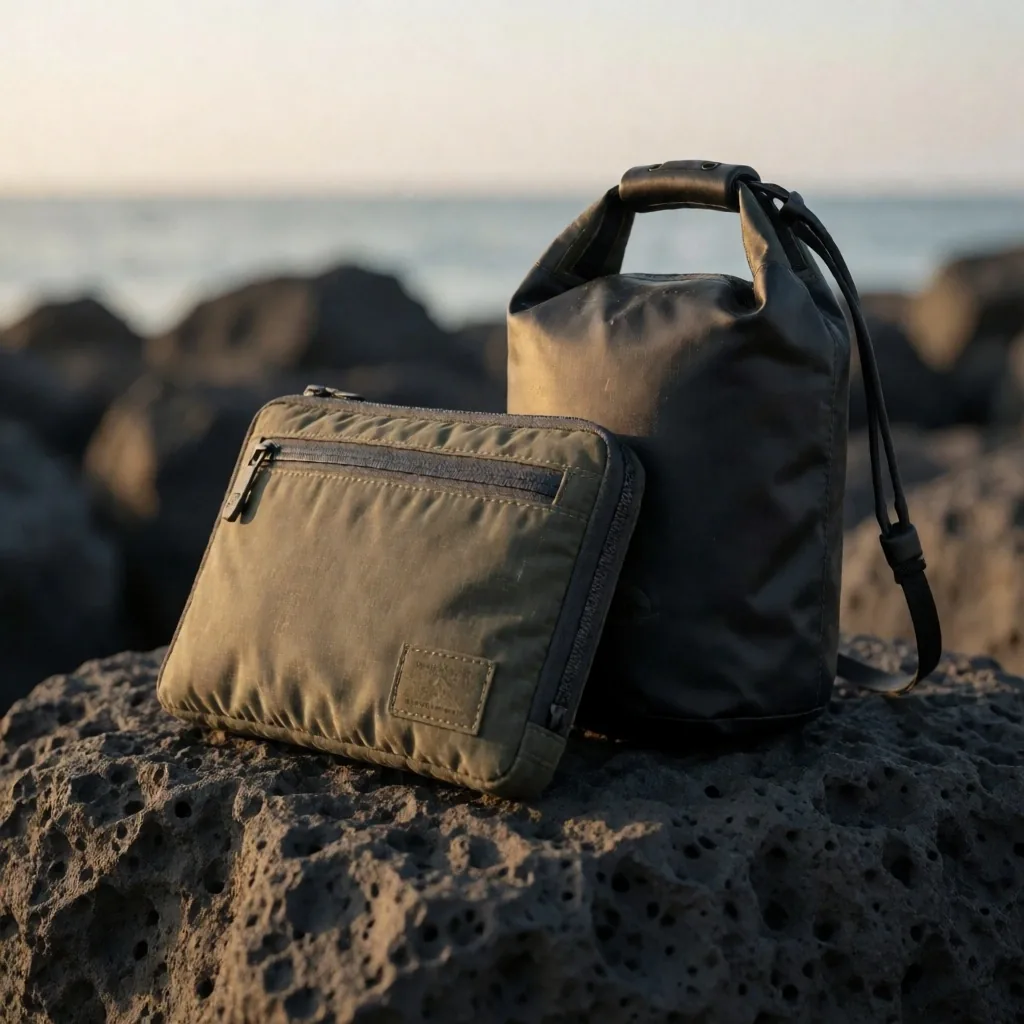
Keep your important documents in a waterproof pouch to protect them from sweat, sand, and water. A simple dry bag costs little and prevents the kind of damage that can derail a trip — soaked documents, smudged ink, or sand ground into pages.
While many places are moving toward digital payments, having a small amount of local currency in cash is essential for small purchases in rural areas. Markets, roadside vendors, and small cafes often prefer cash.
A money belt or hidden pouch can help keep your funds secure while you are on the move. Keep day-use cash in an accessible pocket and larger amounts stored separately so you are not showing the full sum each time you make a small purchase.
10 — Water
Packing for water activities
If you plan on snorkeling, bringing your own mask and snorkel ensures a better fit and better hygiene. Rental gear varies in quality and is shared among many users — your own equipment removes both the comfort problem and the hygiene question.
A quick-dry towel is much more practical than a standard cotton one for coastal trips. If you have sensitive skin, a rash guard provides excellent sun protection while you are in the water, reducing the need for excessive sunscreen which can harm the reefs.
-
01
Mask and snorkel
Personal gear for fit and hygiene. Test the seal before your trip.
-
02
Quick-dry towel
Packs small, dries fast, and does not stay damp in your bag all day.
-
03
Rash guard
Sun protection in the water that reduces sunscreen runoff onto reefs.
-
04
Reef-safe sunscreen
Use alongside a rash guard to minimize chemical impact on coral.
Continue
More travel guides for your journey
Once your bag is packed, the next step is knowing where you are headed and what to expect on the ground. These companion guides cover the regions and practical realities that shape a smooth trip.
Every traveller into Egypt benefits from reading beyond the packing list — the terrain, the customs, and the transport options all change what you need and how you move between places.
Coastal Escapes
Red Sea shorelines, snorkeling spots, and seaside relaxation guides.
Desert Adventures
Trekking routes, overnight camps, and inland exploration advice.
Local Customs
Etiquette, dress expectations, and respectful interaction guidance.
Transportation Tips
Getting between regions, road travel, and local transit options.
Save the full checklist
Keep these egypt travelling guides handy for your trip preparation. Request the complete packing checklist through our contact page, or browse the gear tips for each region.
Explore Egypt Today
Rosendalsvägen 3, 115 21 Stockholm · +20 2 2395 1689 · [email protected]