Explore Egypt Today · Travel Guides
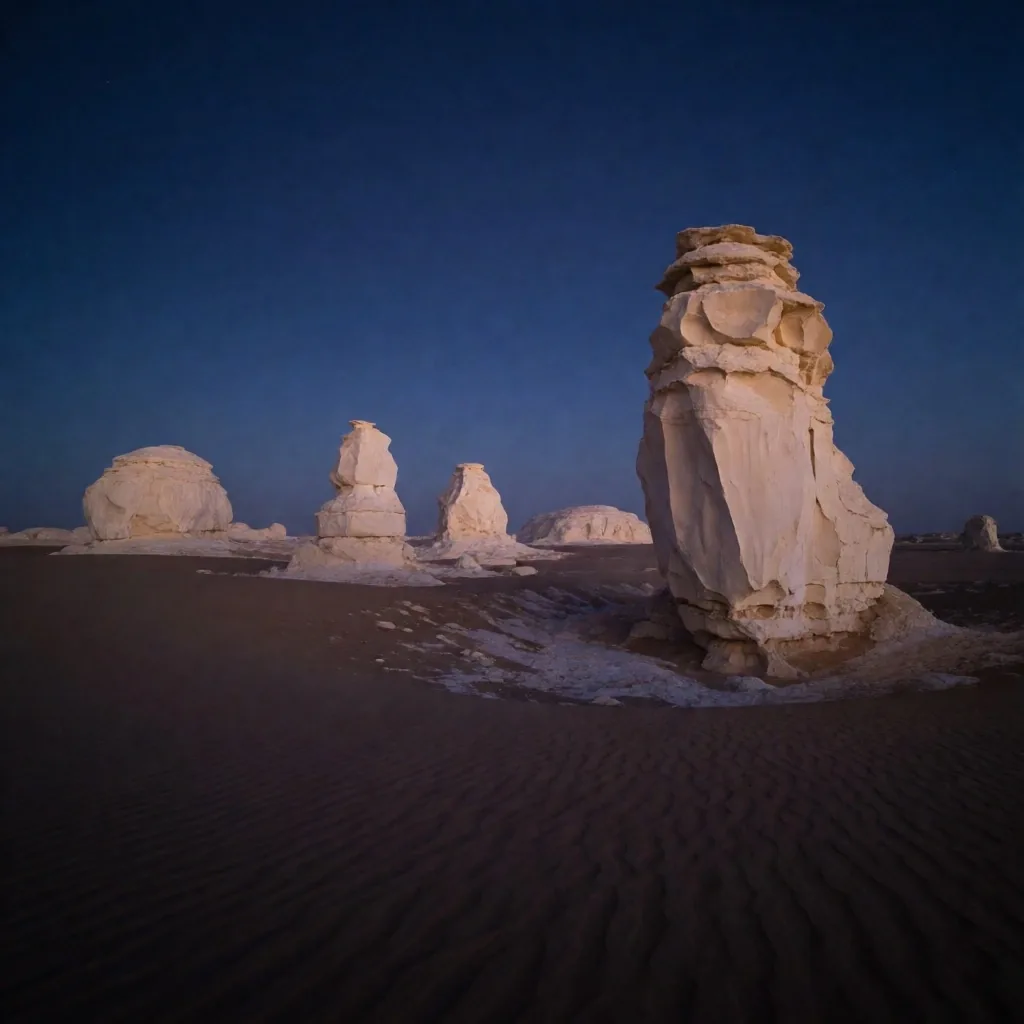
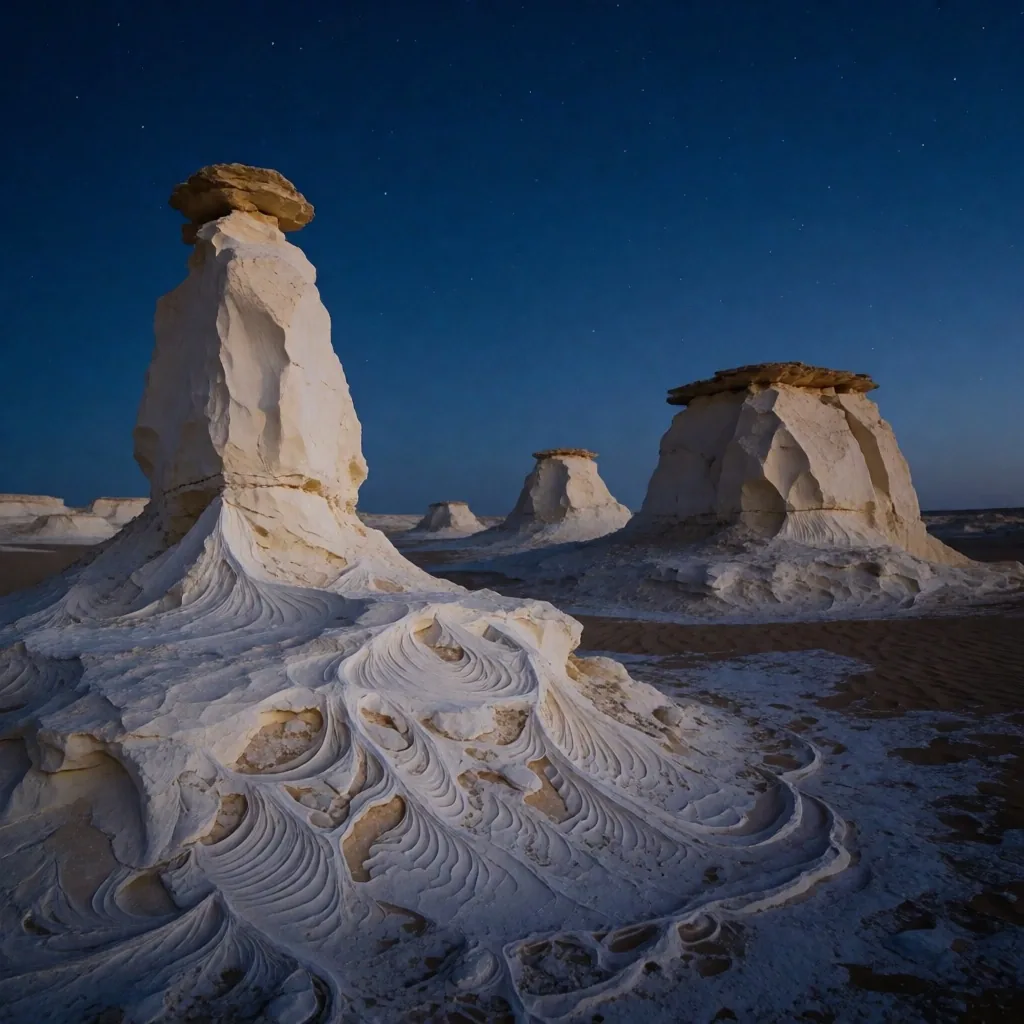
White Desert chalk formations at twilight
Egypt Travelling Guides

Navigating Egypt's Natural Desert Landscapes

The vast deserts cover more than ninety percent of the country's landmass. For the traveller into Egypt, the desert is a space of profound silence and immense scale.

Region Coverage

90%+

Of Egypt's landmass is arid terrain, from the Great Sand Sea to volcanic peaks.

Key Oases

Bahariya · Dakhla · Kharga

Underground aquifers supporting lush vegetation and traditional desert agriculture.

Terrain Types
Chalk Formations Volcanic Dolerite Sand Dunes Mineral Springs

Each zone demands different navigation skills, water planning, and timing.

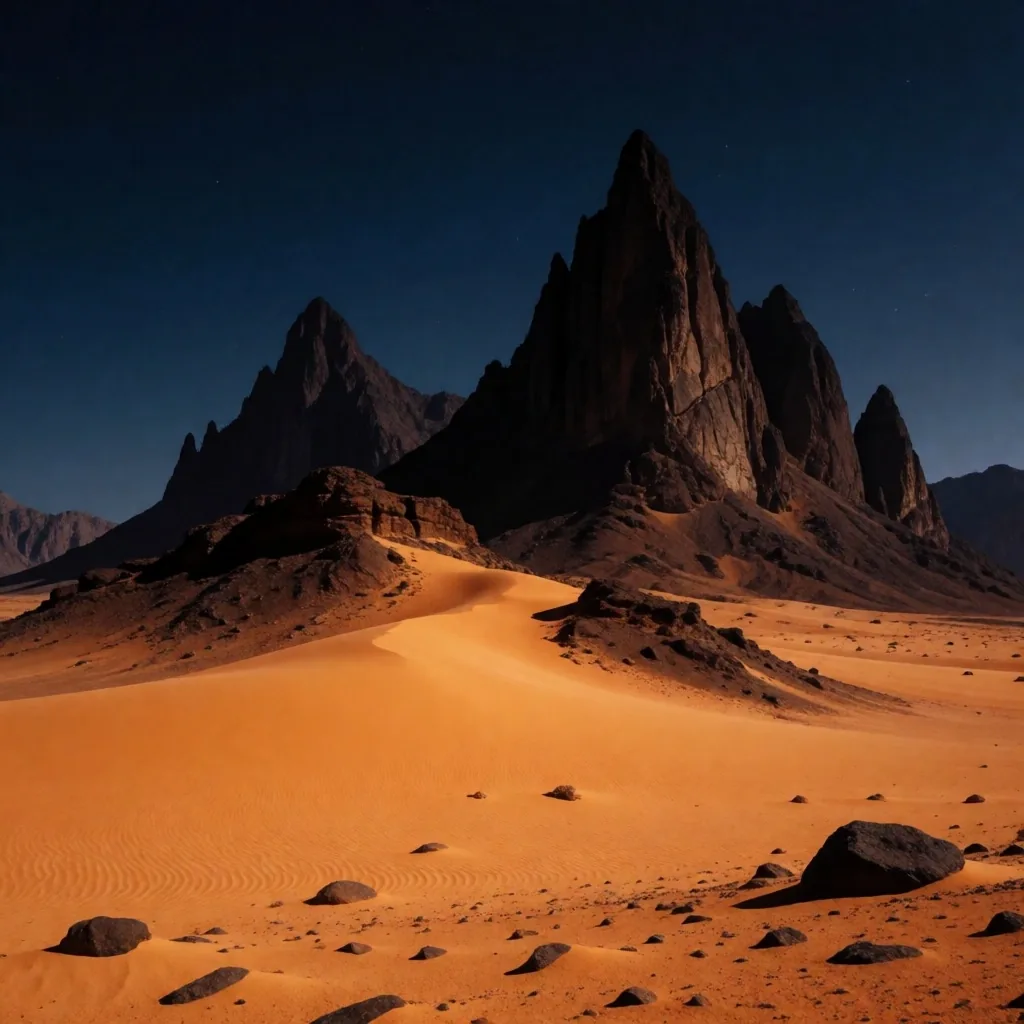
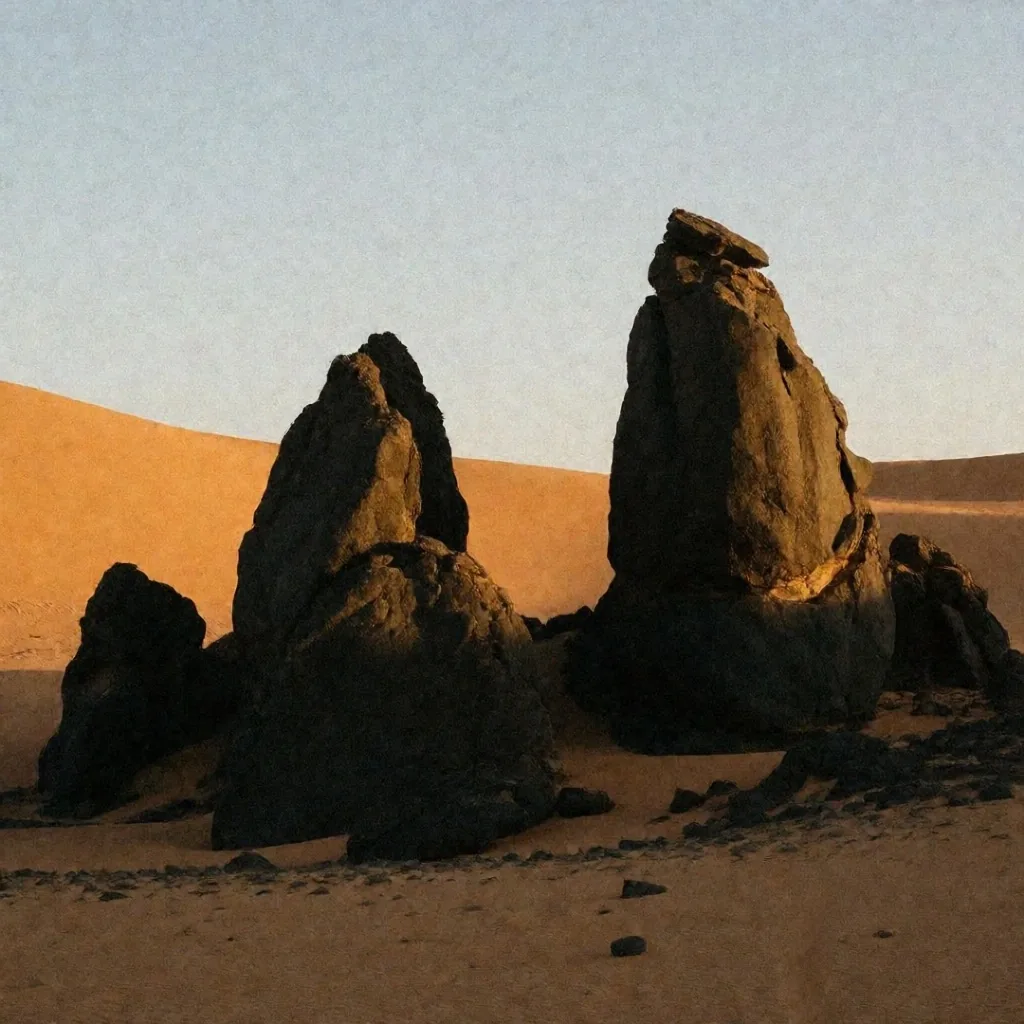
Black Desert volcanic peaks
Terrain Preview

Black Desert Peaks

The Route Ahead

From chalk valleys to volcanic peaks

For the traveller into Egypt, the desert represents a world of stark beauty and geological wonder. This guide is built to educate visitors on how to explore these arid regions safely and respectfully. From the rolling dunes of the Great Sand Sea to the blackened peaks of the volcanic interior, we cover the essential knowledge for a successful inland journey.

These travel guides are written for independent explorers. We focus on environmental awareness, safety practices, and authentic encounters with the terrain. You will find practical detail on reading the landscape, managing heat, and engaging with the people who know these spaces best.

Trail Head

Desert landscapes to know

Plan a Route
White Desert chalk formations
Protected Park

The White Desert Experience

Located in the Farafra depression, this area holds massive chalk rock formations carved by wind erosion into surreal shapes. Walking among these natural sculptures feels like stepping onto another planet. The ground is fragile limestone, so camp only in designated spots to keep your impact low.

The chalk spires and mushrooms are most striking at first light and last light, when the low sun throws long blue shadows across the pale stone. Plan your passage for those hours.
Black Desert volcanic mounds
Volcanic Terrain

The Black Desert Peaks

The Black Desert features mountains covered in dark volcanic dolerite. These mounds rise sharply from the orange sand, creating a dramatic visual contrast. Climbing one of the smaller peaks gives a panoramic view of the surrounding plains and a clear sense of the ancient volcanic forces that shaped the Saharan interior.

The dolerite fragments underfoot are sharp and loose in places. Sturdy closed-toe footwear with thick soles is essential here, more than in any other zone on this guide.

Lifeblood of the Arid Land

Finding the Oases

Bahariya

The closest oasis to the Nile Valley and a common first stop for desert routes. Palm groves and hot springs mark the transition from river to sand. The local dates and figs are grown using traditional irrigation methods that have not changed in generations.

Dakhla

One of the oldest continuously inhabited oases. Mudbrick villages sit among orchards and cultivated fields. The spring water here is rich in minerals and central to local health practices. Take time to walk the older quarters where the architecture is built to stay cool.

Kharga

The southernmost and largest of the major oases. A green island in a harsh interior, it provides a welcome respite from the sun and a chance to learn about traditional desert agriculture. The surrounding dunes are some of the most accessible for first-time visitors.

Oases exist where underground aquifers rise to the surface. They are not permanent in the geological sense, but they have sustained human settlement for thousands of years. Treat water sources with care and follow local guidance on where it is safe to bathe or fill containers.

Safety Procedures

Reading the terrain

Desert safety is not about luck. It is a set of habits built from how the sand, sun, and stone actually behave. Learn these before you go.

Full Safety Guide
01

Dune Footing

Sand is deceptively unstable and reflected heat increases dehydration risk. Walk the windward side where the sand is more packed. Travel with a local guide who can read the terrain.

02

Hydration Rhythm

Drink small amounts frequently rather than large amounts at once. Carry more water than you think you need. Learn the signs of heat exhaustion so a minor issue never becomes an emergency.

03

Midday Shade

Seek shade during peak sun hours, from 12:00 PM to 4:00 PM. This is a traditional practice all visitors should adopt. Schedule travel for early morning and late afternoon.

04

Navigation Tools

Carry a reliable compass or GPS device, even on a marked trail. Electronics fail in heat. Know how to orient yourself by the sun and stars before you rely on a screen.

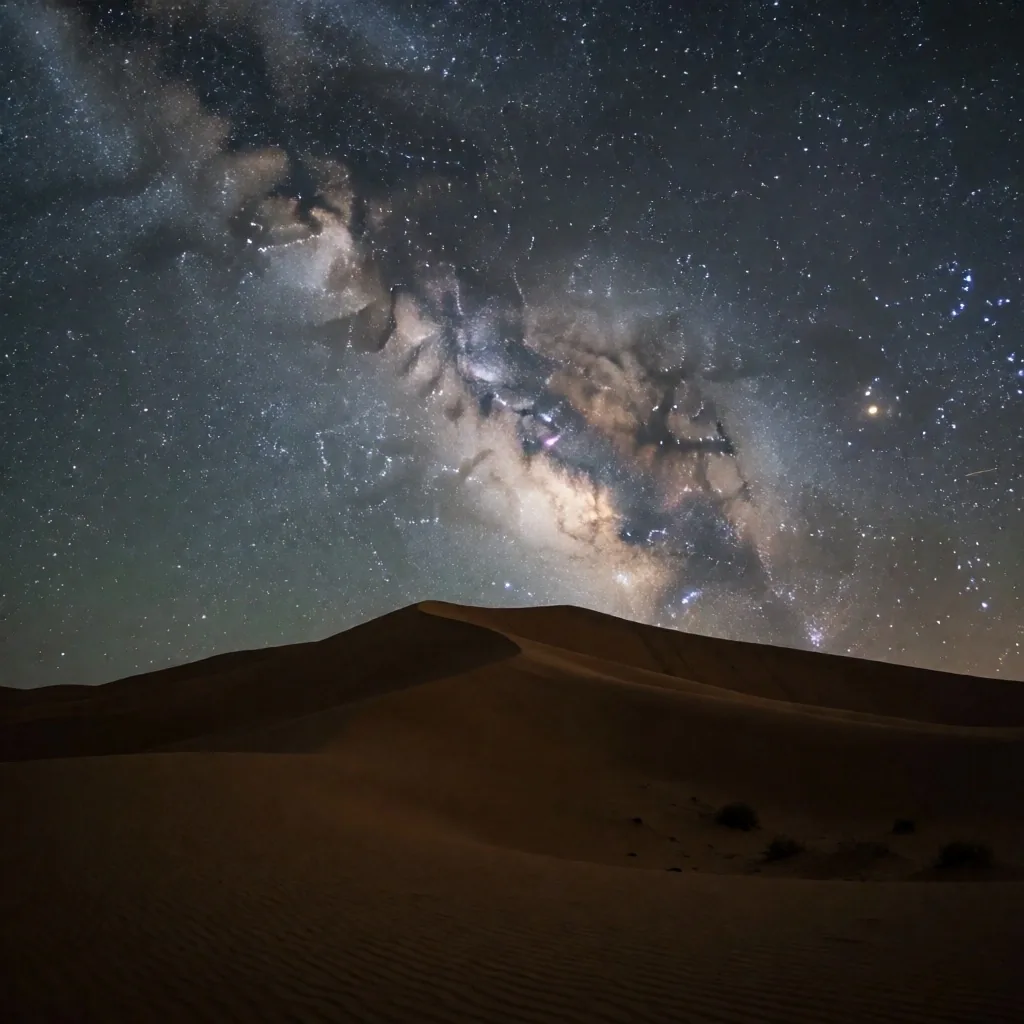
Desert night sky with stars
After Dark
Celestial Navigation

Stargazing and night skies

One of the greatest rewards of a desert journey is the clarity of the night sky. With minimal light pollution and low humidity, the stars appear incredibly bright and numerous. It is an ideal setting for learning about celestial navigation and traditional Bedouin star lore.

The silence of the desert at night adds a spiritual dimension to observing the cosmos. Let your eyes adjust for at least twenty minutes before trying to identify constellations. A red-light headlamp preserves night vision while letting you move safely around camp.

Back to Trails
Field Preparation

Gear, flora, and wildlife

Essential Desert Gear

Proper equipment is non-negotiable. Wide-brimmed hats, breathable long-sleeve clothing, and high-quality sun protection form your base layer.

  • Closed-toe boots for sand and rock
  • Compass or GPS device
  • Extra water beyond daily estimate
  • Red-light headlamp for night use

Desert Flora

The desert is home to specialized plants that have evolved to survive years without significant rainfall.

  • Cacti with waxy water-storing skins
  • Dry shrubs with deep root systems
  • Trees tapped by nomadic communities
  • Plants used for food, fuel, and medicine

Wildlife of the Arid Zones

Many desert inhabitants are nocturnal. Seeing tracks in the sand is often the best way to identify their presence.

  • Fennec foxes with large ears
  • Gazelles grazing at dawn
  • Reptiles active in cooler hours
  • Never leave food out overnight

Leaving food out disrupts the natural foraging patterns of local wildlife. Store all provisions in sealed containers and carry out everything you carry in. These habits keep the desert ecosystem intact for the species that depend on it.

Cultural Stewardship

Respecting Bedouin traditions

The desert is the ancestral home of the Bedouin people, whose culture is deeply intertwined with the landscape. Their knowledge of water sources and weather patterns is invaluable for any traveller into Egypt. Engaging with Bedouin guides with respect and curiosity leads to a much richer understanding of the land.

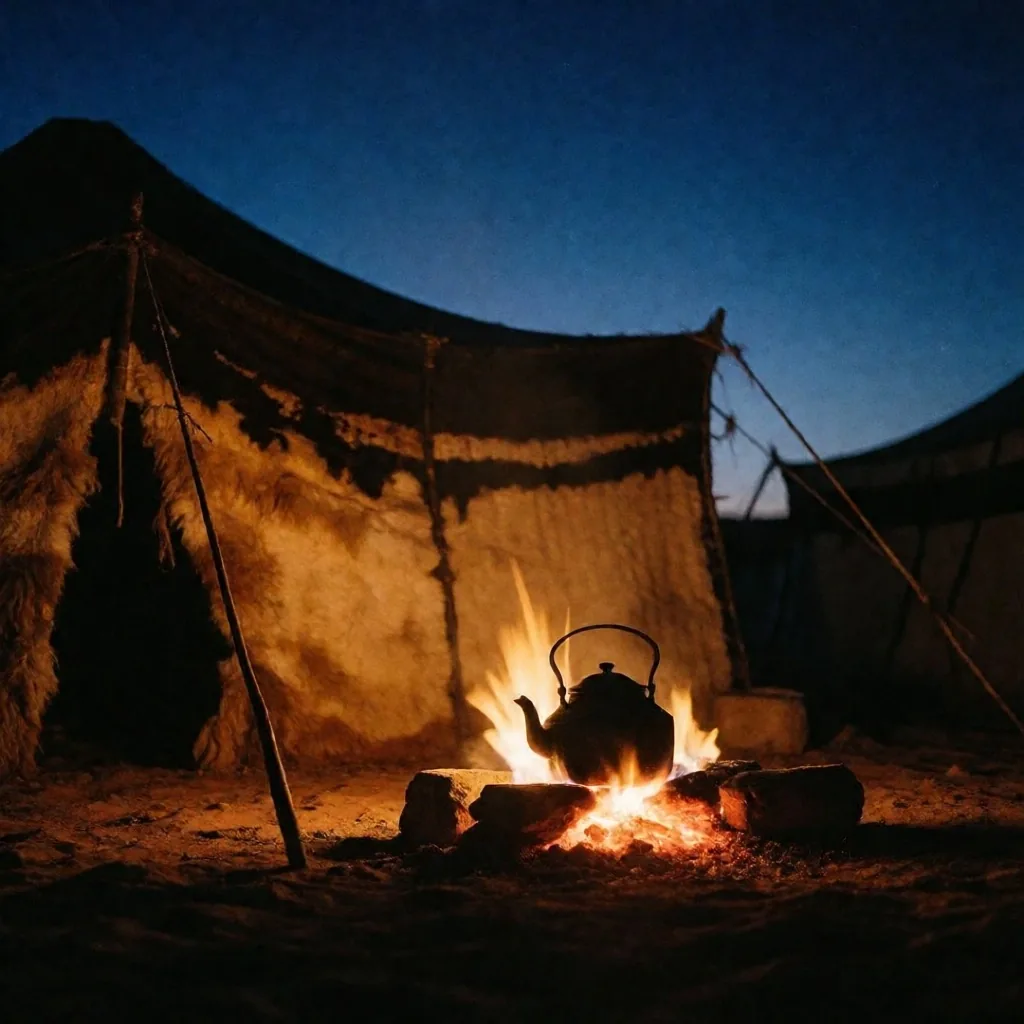
Follow their lead regarding social etiquette and environmental stewardship. Accept tea when it is offered. Ask before photographing people or their animals. The guidance a local guide provides about where to step, what to touch, and how to greet is not a formality. It is practical knowledge built over generations of living in this terrain.

These egypt travelling guides encourage cooperation over prescription. A good journey is one where you leave having learned something you could not have read in advance.

Bedouin desert camp at dusk
Common Questions

Before you go

Do I need a local guide for desert travel? +

Yes for remote areas. A local guide knows how to read the terrain, locate water, and avoid zones that become dangerous in changing weather. Even experienced independent travellers benefit from local knowledge on routes they have not run before.

How much water should I carry per day? +

A common baseline is four to five litres per person per day for drinking, plus extra for cooking and emergencies. Hot months and physical exertion push that number higher. Carry more than you think you need and store it in insulated containers so it stays cool.

When is the best season for desert exploration? +

Late autumn through early spring offers the most manageable temperatures. Summer daytime heat in the interior is extreme and not recommended for extended travel. Night temperatures can drop sharply even in warmer months, so pack layers regardless of season.

Can I camp anywhere in the desert? +

In protected areas like the White Desert, camp only in designated spots to minimize impact on fragile ground. Outside protected zones, follow leave-no-trace principles and consult local guides about safe, legal camping areas. Never camp in dry wadis, which can flood without warning.

Next Steps

Prepare for the inland journey

Review the full safety guide, check your gear against the packing list, or reach out with questions about a specific route. These egypt travelling guides are here to help you plan with confidence.