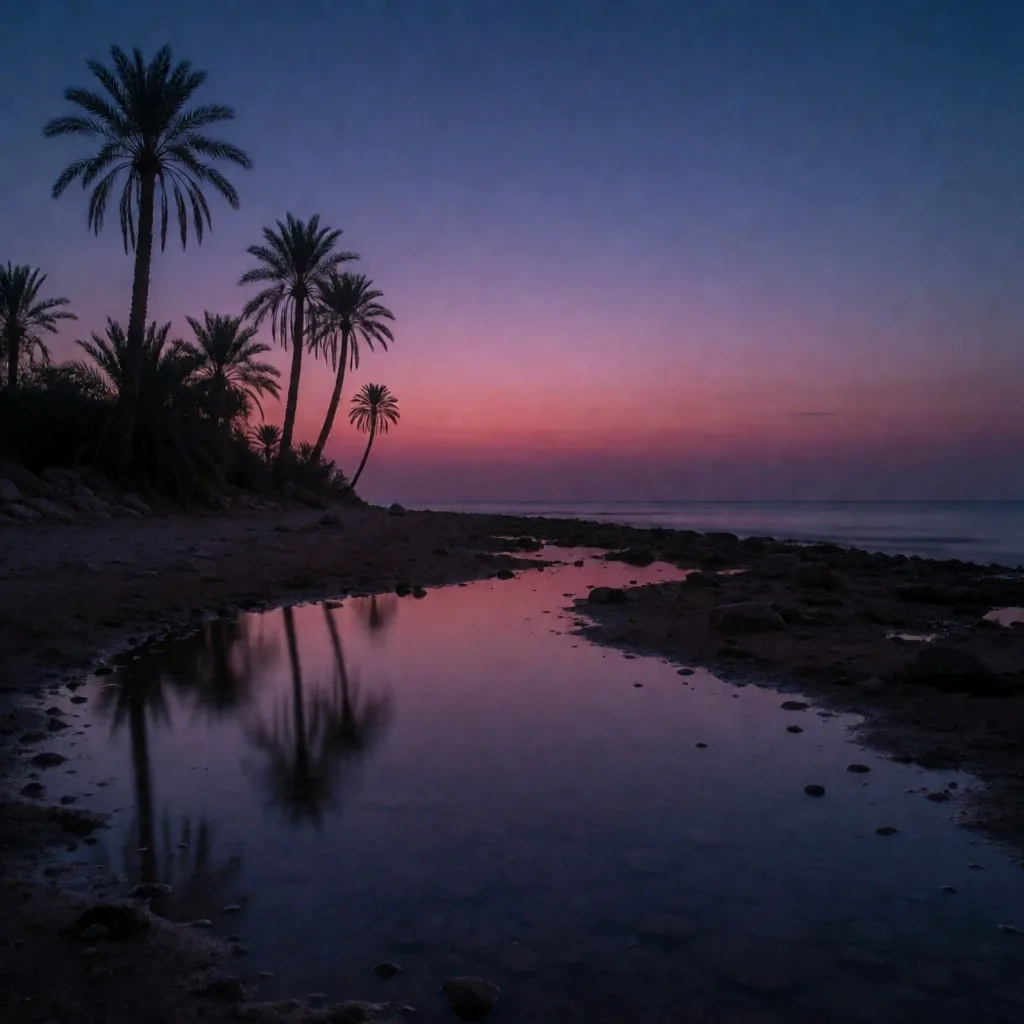
Exploring Egypt's Flora and Fauna
Egypt's natural heritage spans from the high mountains of Sinai to deep desert depressions and coastal reefs — a diversity of life shaped by extreme conditions.
Recorded across the Rift Valley–Red Sea flyway.
- Mammals & reptiles
- Marine biodiversity
- Protected parks
- Photography tips
Mediterranean shrub, desert acacia, Sinai alpine, Red Sea reef — each supports distinct species found nowhere else.
A Living Landscape Beyond the Monuments
Egypt is often pictured as a land of stone and sand, but its natural heritage runs far deeper. From the high mountains of the Sinai to the coastal plains and deep desert depressions, a diversity of life thrives in every corner of the country. This guide provides an overview of the local flora and fauna, highlighting the unique adaptations required to survive in this climate.
Whether you are an amateur naturalist or simply enjoy the outdoors, understanding the local biology adds a rewarding layer to your travels. Our travel guides focus on where to look, what to expect, and how to observe responsibly — so a traveller into Egypt can move through each habitat with real awareness of what lives there.
Egypt's egypt travelling guides tend to focus on coastal resorts and desert excursions. This page covers the living landscape underneath those experiences: the gazelles crossing mountain ridges, the spiny-tailed lizards basking on rocks, the coral reefs that support hundreds of fish species, and the tiny butterfly found only on one Sinai peak.
Mammals of the Wild & Reptiles of the Rocks
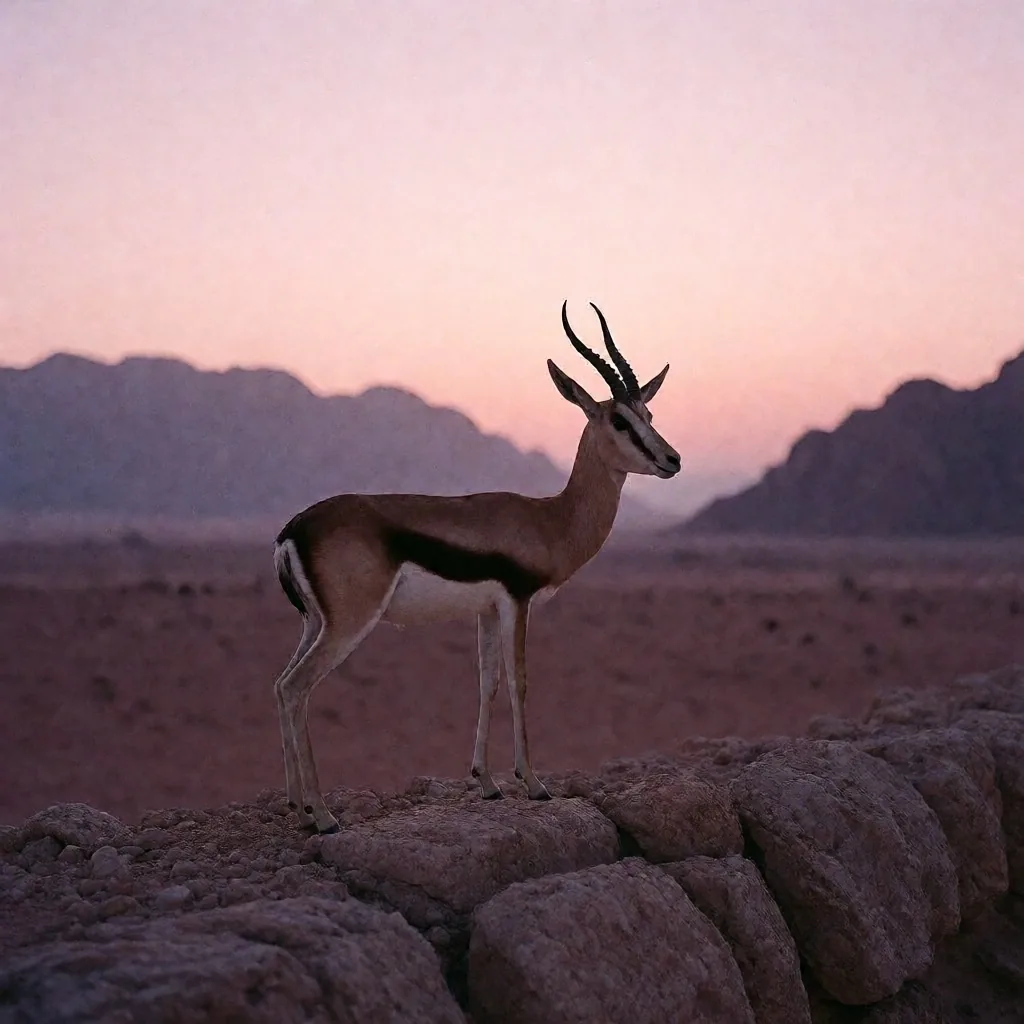
Hardy Desert Survivors
Egypt is home to several hardy mammal species adapted to the desert environment. The Dorcas gazelle and the Nubian ibex are among the most iconic, often found in the more mountainous or remote regions of the Eastern Desert and Sinai.
Smaller predators include the golden jackal and the desert cat, both of which are shy and most active at dawn or dusk. Sightings are rare and special — patience and distance are the key tools for observing these animals without disturbing them.
Lizards, Geckos & Snakes
The warm climate is ideal for a variety of reptiles, including numerous species of lizards, geckos, and snakes. The Egyptian mastigure — a large spiny-tailed lizard — is a common sight in rocky areas, often seen basking in the morning sun.
Some snakes in Egypt are venomous, but they generally avoid human contact. Learning to identify these creatures from a distance — through body shape, movement, and habitat — ensures a safe and fascinating observation experience without needing to approach.
Scarabs, Butterflies & Dragonflies
From the iconic scarab beetle to various species of butterflies and dragonflies, insects play a vital role in Egypt's ecosystems. Many desert insects have developed remarkable ways to collect moisture from the air or survive long periods of dormancy between rare rains.
The Nile valley teems with insect life that supports the local bird population. Observing these small creatures — moths drawn to light at night, dragonflies hovering over irrigation channels — reveals the complexity of life in even the harshest environments.
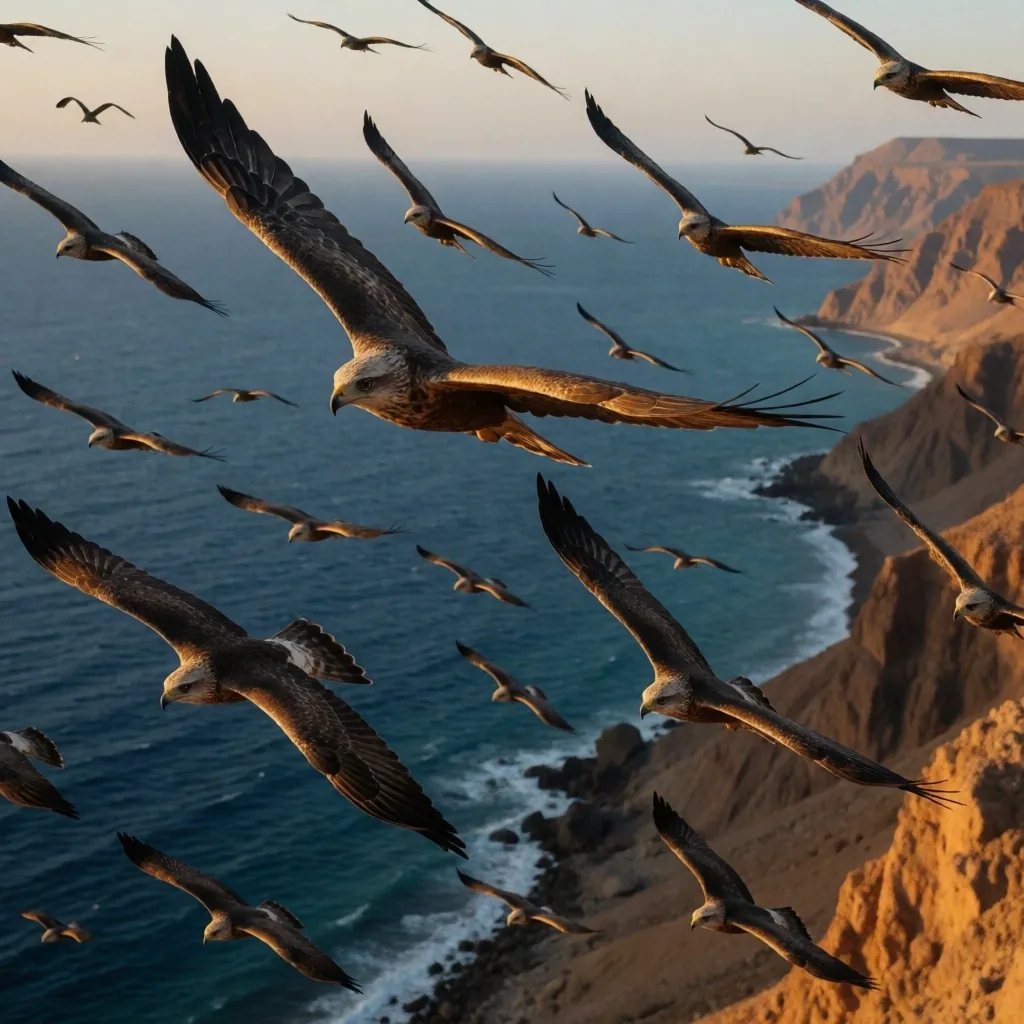
Migratory Bird Hub
Egypt's geographic position makes it a critical stopover for millions of birds traveling between continents. The country hosts over 450 species of birds throughout the year, from large raptors and storks to tiny warblers and finches.
The Rift Valley–Red Sea flyway is one of the most important migration routes in the world. Autumn and spring bring spectacular passage events — the season and location determine what you will see, so timing your visit around migration windows greatly increases your chances.
See the Nature Spot ListBotanical Diversity Across Four Zones
The flora of Egypt is divided into several distinct zones, each with its own characteristic species shaped by rainfall, altitude, and soil salinity.
Mediterranean Zone
Broom and lavender dominate the coastal shrubland along the north coast, where winter rains support denser vegetation than the interior.
Desert Zones
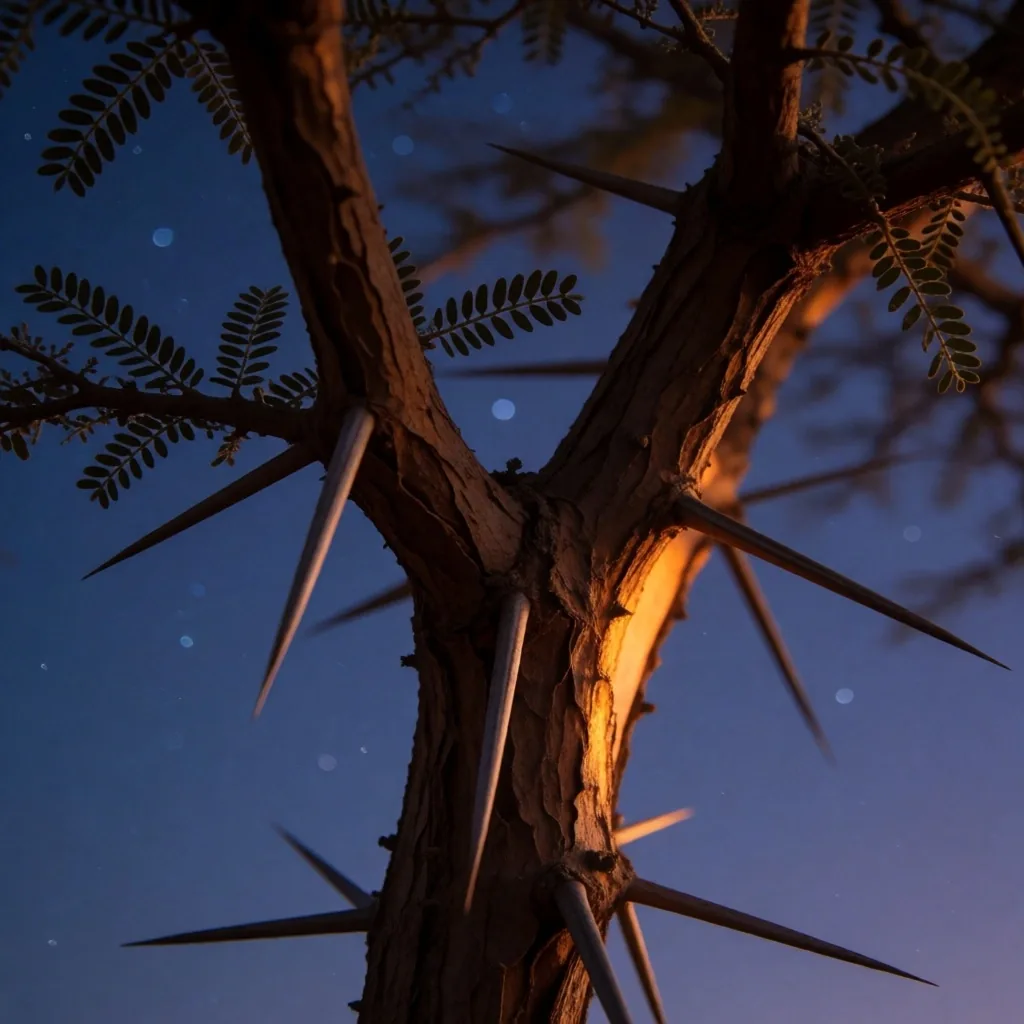
Acacias and salt-tolerant plants like tamarisk anchor the arid interior. Deep root systems and waxy leaves allow them to survive months between rainfall.
Sinai Mountains
At altitude, unique alpine plants exist nowhere else in the country. Cooler temperatures and morning dew create a microclimate that supports rare orchids and endemic herbs.
Nile Valley & Wetlands
Reeds, papyrus, and water-loving plants line the river and its irrigation channels, supporting dense bird and insect populations.
This botanical variety reflects the country's diverse microclimates — each zone feels like a different country, even within a few hours' drive.
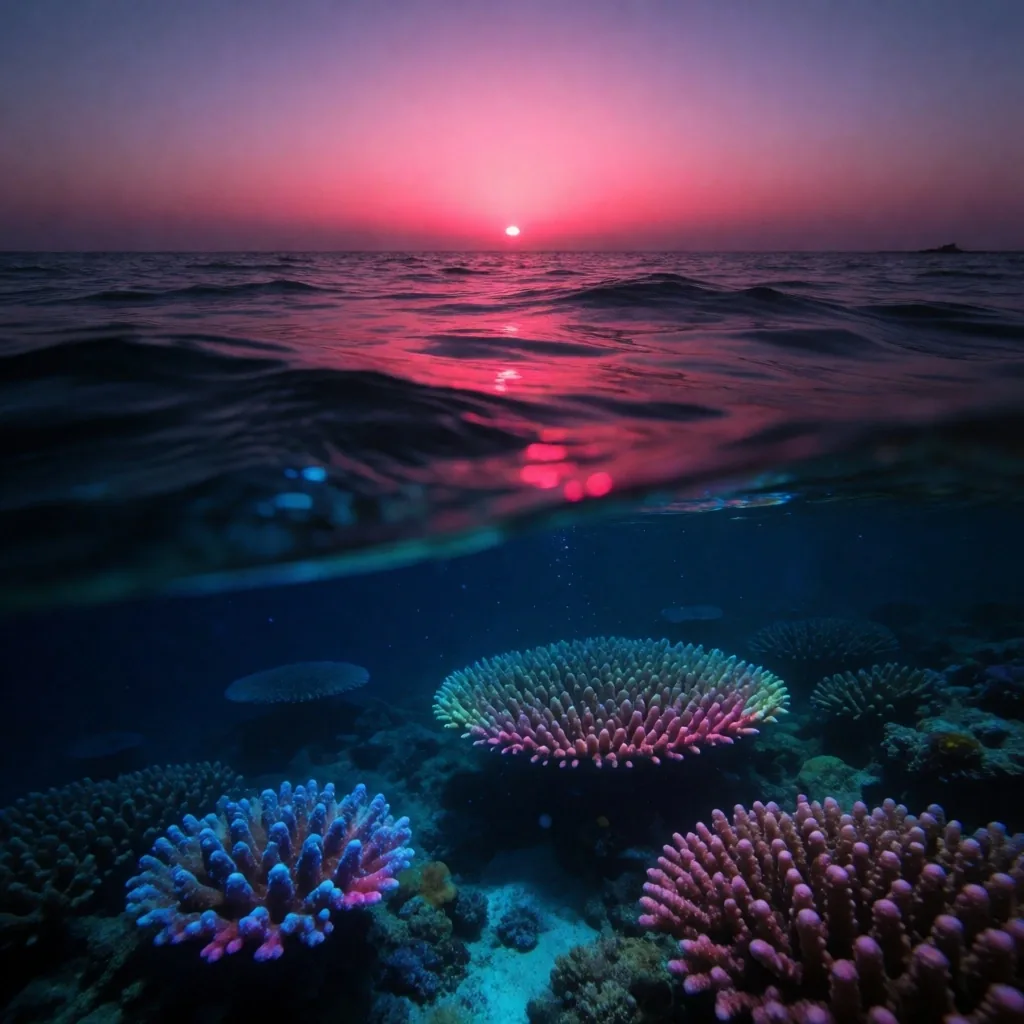
Marine Biodiversity of the Red Sea
The Red Sea is one of the most biodiverse marine environments on the planet. Its coral reefs support a staggering array of fish, invertebrates, and marine mammals including dolphins and dugongs.
Water temperature and salinity levels create a perfect nursery for these species. The reef systems along the eastern and western coastlines form a continuous habitat that supports species found nowhere else in the Indian Ocean.
Protecting this underwater world is a primary concern for local environmentalists and a highlight for any nature-loving traveller into Egypt. Responsible snorkelling and diving practices — buoyancy control, no touching, no feeding — keep these reefs alive for the next generation of visitors.
Protected Natural Parks
Egypt has established several national parks and protectorates to safeguard its most valuable natural sites. Ras Mohammed at the tip of the Sinai and Wadi El Gemal in the south are prime examples of successfully managed conservation areas.
These parks offer regulated access for visitors, ensuring that tourism does not compromise the integrity of the environment. Rangers monitor reef health, desert tracks, and bird nesting sites — and visitors are expected to follow park rules, which include staying on marked trails, carrying out all waste, and keeping a respectful distance from wildlife.
Following park rules is essential for the continued health of these zones. Protected areas are not just scenic destinations — they are working conservation projects that depend on visitor cooperation to function.
A Refuge Above the Desert
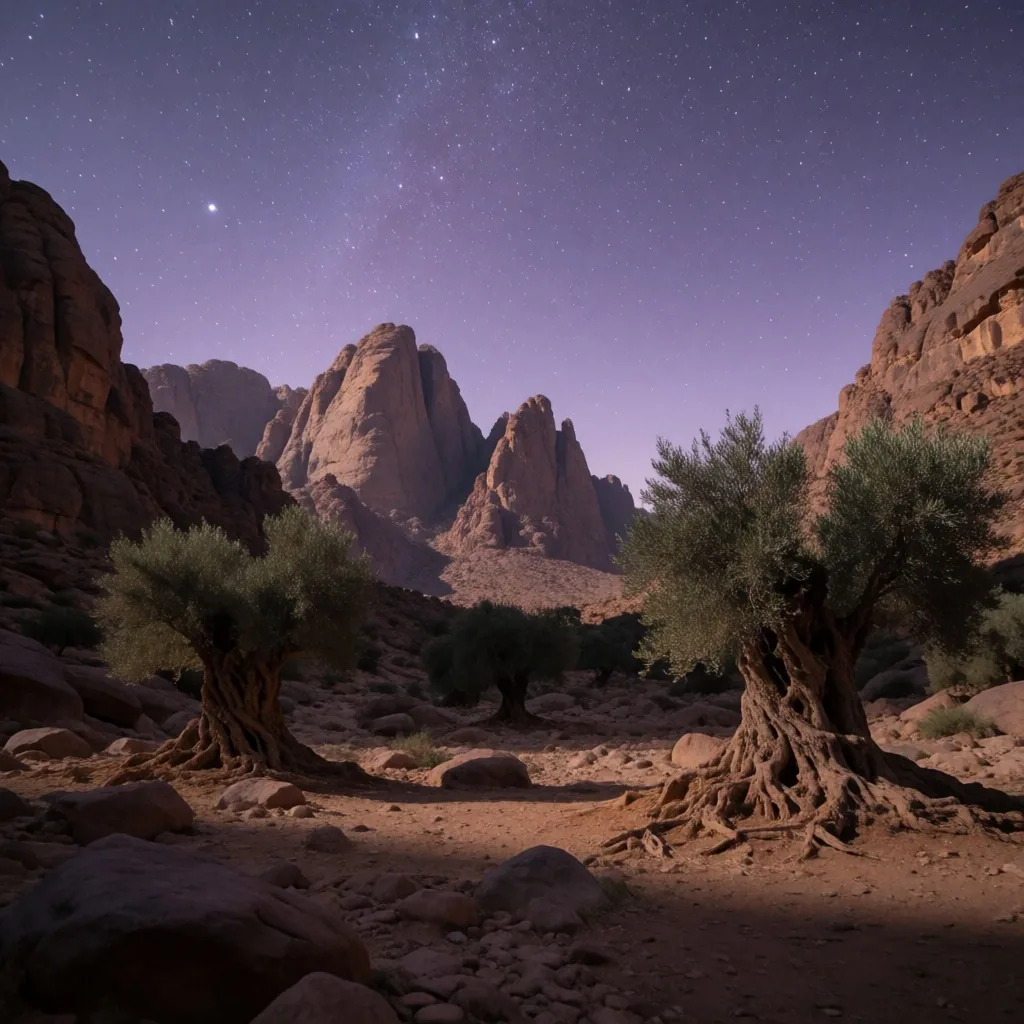
The rugged terrain of the Sinai Peninsula offers a completely different ecological experience. High altitude allows for cooler temperatures and different vegetation, including ancient almond and olive groves. This area is also a refuge for the critically endangered Sinai Baton Blue butterfly — one of the smallest butterflies in the world, found only on one mountain range. Hiking here requires preparation for cold nights and steep paths, but the biological rewards are immense.
Environmental Challenges
Understanding the threats to Egypt's wildlife is part of being a responsible visitor. Habitat loss from coastal development, climate change shifting migration patterns, and pollution affecting reef health all impact the local flora and fauna.
Travellers can support local conservation by choosing guides who follow protected-area rules, reducing single-use plastic, respecting seasonal closures at nesting sites, and carrying out everything they carry in. Being aware of these issues fosters a deeper respect for the fragile beauty of the Egyptian landscape.
For those who want to contribute further, several local organisations coordinate volunteer monitoring of coral reefs and bird populations — a hands-on way to give back while learning.
Nature Photography Tips
Capturing the natural beauty of Egypt requires patience and an understanding of the light. The golden hour just before sunset is particularly effective for photographing both the landscape and the wildlife.
Use Long Lenses for Animals
A telephoto lens (300mm or longer) lets you frame wildlife from a distance without disturbing natural behaviour. Animals that feel threatened will leave — and you lose both the photo and the sighting.
Shoot the Golden Hour
The hour before sunset casts warm, directional light that flatters both desert landscapes and wildlife. Dawn light is equally good and coincides with peak animal activity — set the alarm.
Macro for Desert Plants
A macro lens reveals the intricate details of desert plants — the wax coating on acacia leaves, the thorn patterns on milkweeds. These small frames often become the strongest images in a trip.
Subject Welfare First
Always remember that the welfare of the subject is more important than the photograph. Do not bait, trap, corner, or flash animals. If a creature changes behaviour because of your presence, you are too close.
Nature Spot List
Dorcas Gazelle
Eastern Desert & Sinai foothills. Best at dawn near acacia groves.
Nubian Ibex
Sinai high mountains. Wad El Feiran and Gebel Serbal areas.
Egyptian Mastigure
Rocky outcrops across the Eastern Desert. Basks in morning sun.
White Stork
Autumn migration over the Rift Valley flyway. Flocks in the thousands.
Sinai Baton Blue
Sinai high mountains only. Critically endangered. One mountain range.
Dugong
Red Sea seagrass beds. Marsa Alam region offers the best chance.
Scarab Beetle
Desert dung beetles. Active after rare rainfall. Look near animal dung.
Sinai Endemic Flora
Rare orchids and herbs above 1,500m in the St. Catherine region.
Where to Go Next
These guides complement what you have read here. Each one covers a different habitat zone with practical details for planning your route through Egypt's natural landscape.
Questions about visiting protected areas or planning a nature-focused trip? Write to us at [email protected] or call +20 2 2395 1689.