Local Customs — Egypt Travel Guide
Cultural Etiquette and Social Norms
Understanding and respecting local customs is a vital part of being a responsible traveller into Egypt. The country has a long history of hospitality, but there are specific social norms that visitors should be aware of to ensure positive interactions.
Guide Scope
Dress codes, greetings, religious awareness, photography rules, and shared meals.
Eight Topics Covered
Essential Phrase
Salam Alaikum
Peace be upon you — a standard greeting that opens conversations and is always appreciated.
Table Custom
Right Hand
Eat from communal dishes with your right hand and remove shoes before entering a home.
Continue Reading
Explore the full guide below for detailed guidance on each custom.
Why This Matters
A practical resource for the traveller into Egypt who wants to move through the country with confidence and local insight.
This guide explains the basics of Egyptian etiquette, from dress codes to communication styles. By following these simple guidelines, you show respect for the residents and create a more harmonious travel experience. Egyptian society is generally conservative, and this is reflected in daily interactions, personal presentation, and social rhythms. The customs described here are not rigid rules meant to catch you out — they are a set of shared understandings that help people live closely together in a warm, community-oriented culture.
01 — Dress
The Importance of Modesty
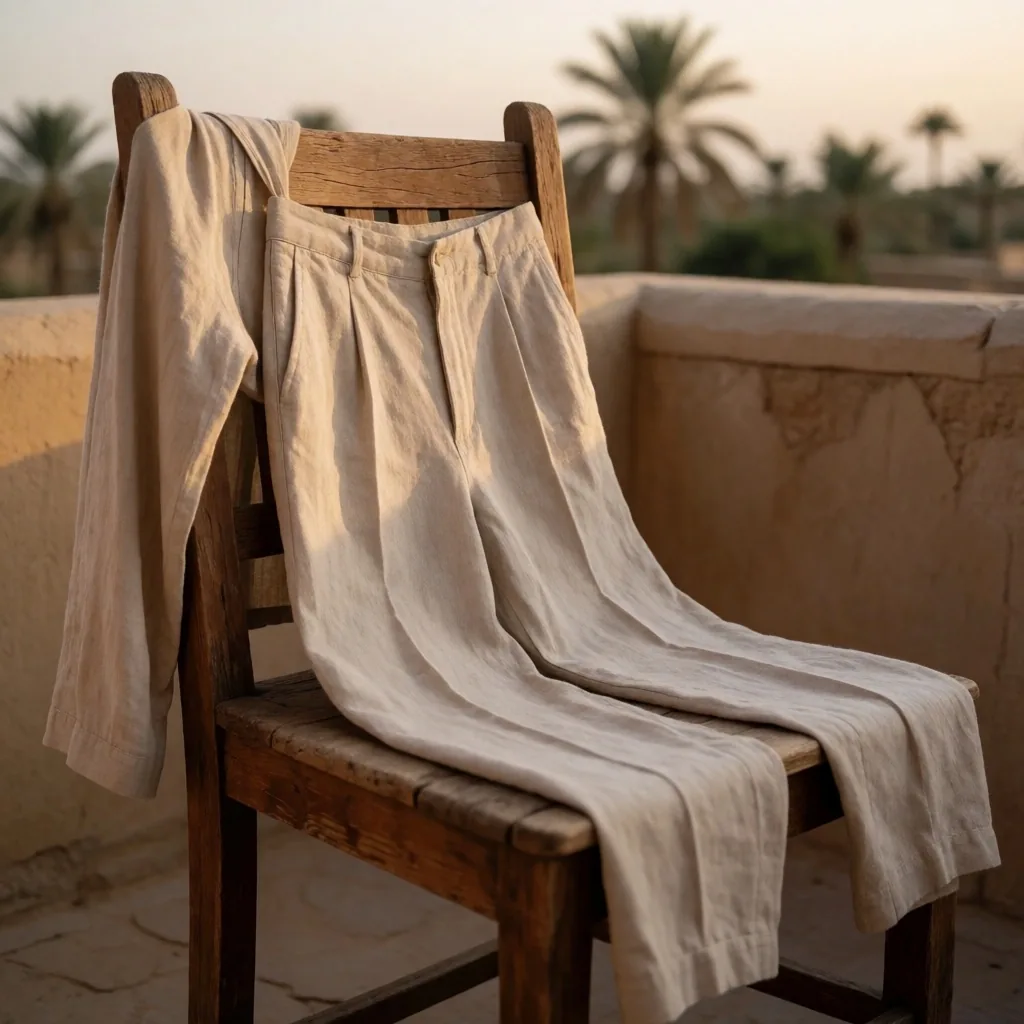
Egyptian society is generally conservative, and this is reflected in the way people dress. In public areas and rural villages, it is respectful for both men and women to cover their shoulders and knees. This is not just a cultural preference; it is also a practical way to protect yourself from the sun. Loose-fitting clothing is both culturally appropriate and more comfortable in the heat.
Linen and cotton fabrics breathe well in the climate and help you blend in without standing out. In coastal resort areas the expectations relax somewhat, but modesty in town centers, markets, and rural communities remains the standard. When in doubt, observe how local residents are dressed and follow their lead.
Quick Reference
- Cover shoulders and knees in public
- Choose loose, breathable fabrics
- Observe local dress as your baseline
- Avoid very tight or revealing clothing
02 — Interaction
Greetings and Social Interaction
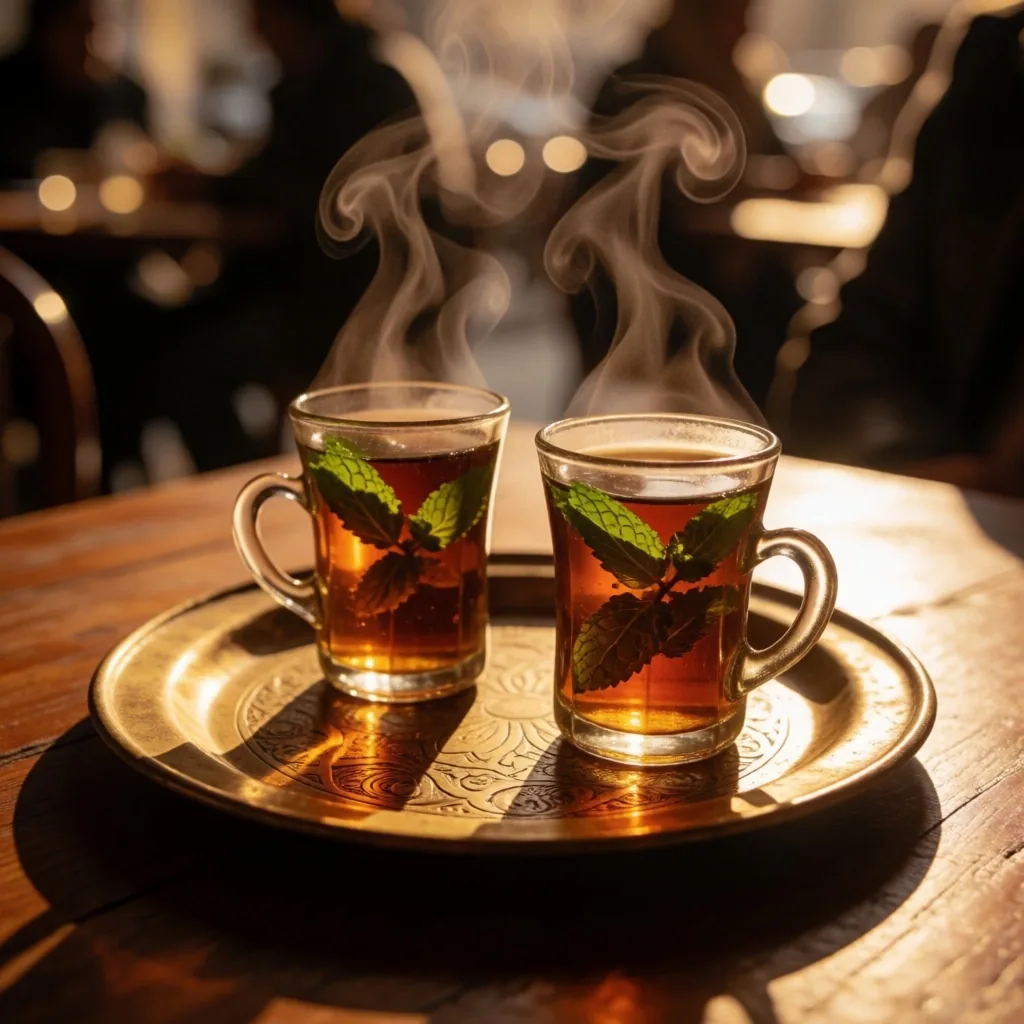
Greetings are an important part of daily life in Egypt. A simple "Salam Alaikum" (peace be upon you) is a standard way to start a conversation and is always appreciated. People are generally very friendly and may offer you tea or invite you to sit and talk. While it is polite to accept a second offer of tea, it is also okay to politely decline if you are in a hurry.
Taking time to greet someone properly — asking about their family, their health, their day — is not small talk. It is the foundation of social connection. Rushing past a greeting to get to a question or a request can read as dismissive. A brief exchange of pleasantries sets a warm tone for everything that follows.
03 — Awareness
Respecting Religious Practices
The majority of Egyptians are Muslim, and their daily lives are influenced by Islamic practices. You will hear the call to prayer five times a day, and during the holy month of Ramadan, many people fast from sunrise to sunset. During this time, it is respectful to avoid eating or drinking in public during daylight hours. Being aware of these rhythms helps you navigate the day more smoothly.
Daily Rhythm
The Call to Prayer
Heard five times daily from mosques across the country. You may notice shops briefly pausing or people stepping aside to pray. Carry on normally and keep noise levels low near mosques during prayer times.
Ramadan
Fasting Hours
From sunrise to sunset, many Egyptians refrain from eating and drinking in public. As a visitor, you can eat privately or in designated areas. Avoid snacking in the street during daylight hours out of consideration.
Mosque Visits
Visiting Quietly
Many mosques welcome visitors outside of prayer times. Remove your shoes before entering, dress modestly, and keep your voice low. Photography is often permitted but always ask first.
04 — Awareness
Photography Etiquette
Always ask for permission before taking a photo of a person. Many people are happy to be photographed, but some may prefer not to be, and it is important to respect their wishes. Avoid taking photos of military installations, police stations, or government buildings, as this is strictly prohibited. When in doubt, it is always better to ask a local guide or resident.
A simple gesture — raising your camera and smiling — is often enough to ask. If someone waves you off, thank them and move on. Children are often eager to be in photos, but it is still good practice to check with a nearby parent or guardian first.
What Not to Photograph
- Military installations and checkpoints
- Police stations and government buildings
- Bridges and critical infrastructure
- Anyone who has not given consent
05 — Practice
Tipping and Baksheesh
Tipping, or "baksheesh," is a common practice in Egypt and is often expected for small services. This includes people who help you with your bags, provide directions, or clean public restrooms. It is not mandatory, but it is a way to show appreciation for help received. Keeping a small supply of low-denomination bills in a separate pocket makes this practice easier to manage.
Baksheesh also extends to a broader cultural idea of mutual support — small payments that flow through daily life as gestures of gratitude. You are not obligated to tip everyone, and you should never feel pressured. A good rule is to carry small bills and offer them when someone has genuinely helped you.
06 — Dining
Table Manners and Food Sharing
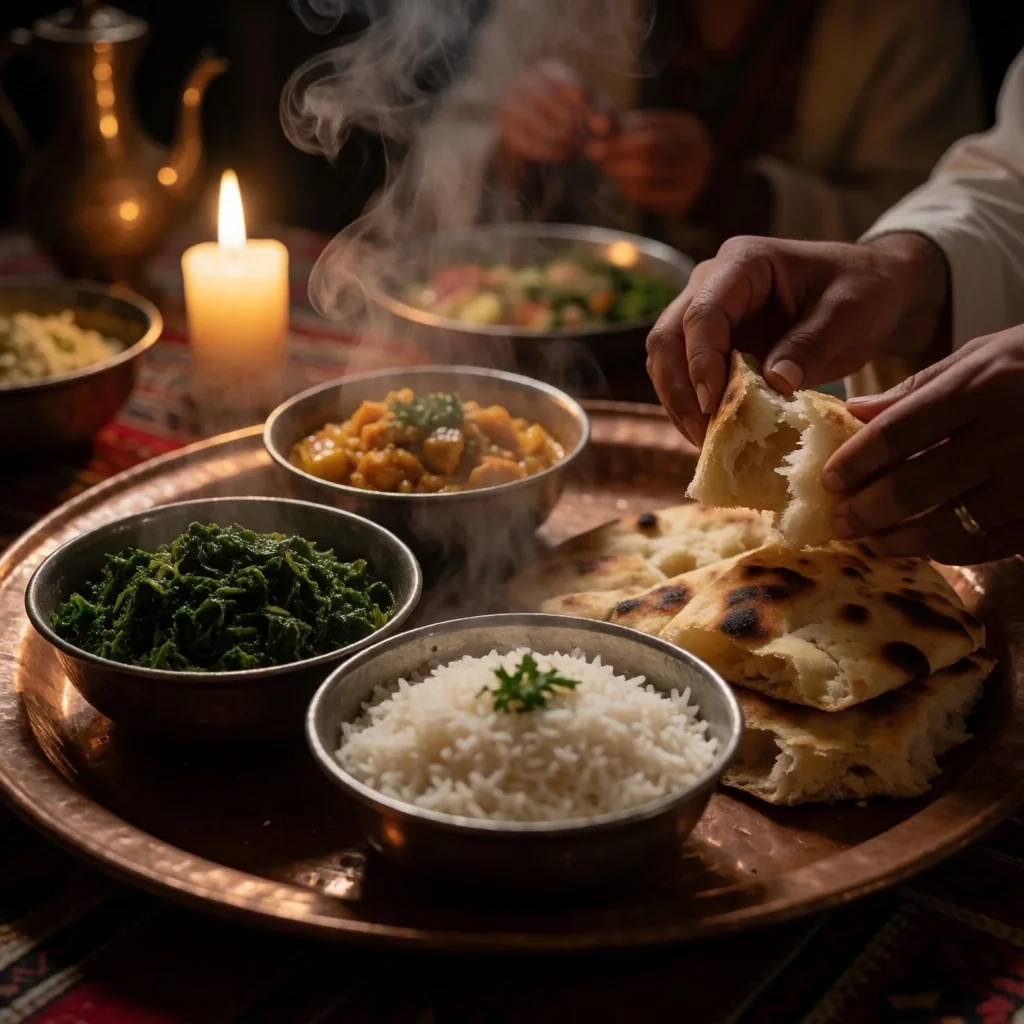
Sharing a meal is a significant social activity in Egypt. If you are invited to eat with a local family, it is customary to remove your shoes before entering the living area. Food is often served in communal dishes, and it is polite to eat with your right hand. Complimenting the food is a great way to show your gratitude to the host.
Wait for the host to indicate where to sit and when to begin eating. If you are offered a second helping, accepting it signals appreciation for the cooking. If you are full, a warm compliment about the dish and a gentle explanation is usually understood with good humor.
Dining Checklist
- Remove shoes before entering
- Eat with your right hand
- Compliment the host's cooking
- Wait for host to start eating
07 — Exchange
Navigating the Market
While we avoid discussing commercial transactions, it is important to understand the social aspect of traditional markets. Interaction is expected, and a friendly, patient attitude is the best way to handle these environments. It is often seen as a social exchange rather than just a quick purchase.
Taking the time to chat with the vendor is part of the local experience. Rushing through a market without engaging can read as cold or transactional. A few words of greeting, a compliment about the goods on display, and a willingness to linger are all part of the rhythm.
08 — Language
Language and Communication
While many people in tourist areas speak English, learning a few basic Arabic phrases can go a long way. Simple words for "please," "thank you," and "hello" show that you are making an effort to connect with the local culture. Egyptians generally have a good sense of humor and appreciate a lighthearted, respectful approach to communication.
Even a few words of broken Arabic will often be met with encouragement and warmth. Mispronunciations are usually greeted with amusement rather than correction, and the attempt itself signals respect for the place you are visiting.
Common Questions
Frequently Asked Questions
A quick reference for two of the most common questions from visitors preparing to travel through Egypt. For more detailed guidance, review the sections above or reach out with specific questions.
In designated beach areas, standard swimwear is acceptable, but when leaving the beach or pool area, you should cover up with a tunic or wrap. This applies to both men and women. Resort towns along the Red Sea coast tend to be more relaxed than inland cities, but the principle of covering up outside of the beach zone is a good habit everywhere in the country.
If a gift is offered, it is polite to accept it. If you feel uncomfortable, a polite and firm "no thank you" is usually sufficient, perhaps with a brief explanation. Egyptians value generosity, and refusing a gift outright can sometimes cause mild offense. However, honesty delivered with warmth and a smile is generally well received.
Continue Exploring
Keep Learning About Egypt
This guide is part of a wider collection of egypt travelling guides from Explore Egypt Today. For questions about planning, safety, or getting around the country, browse our other resources or reach out directly.