Seaside Locations and Coastal Retreats
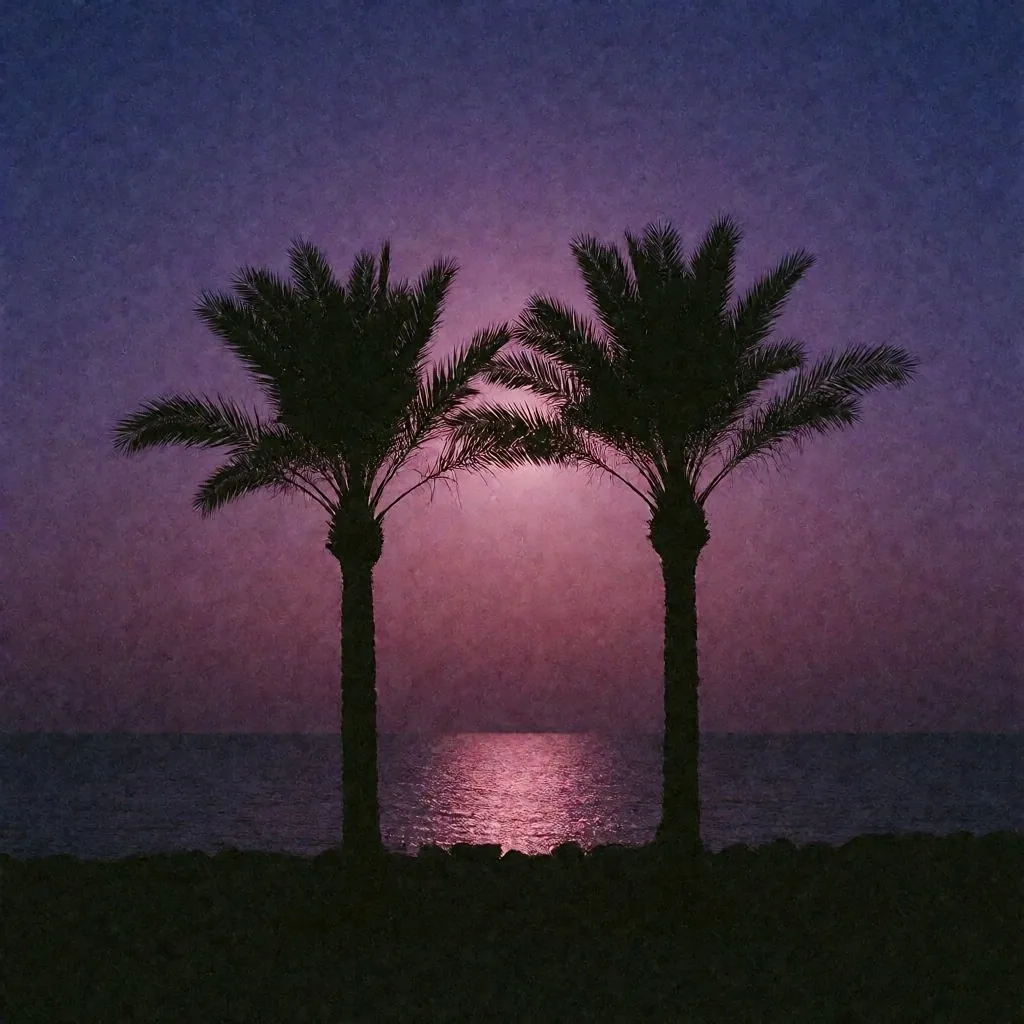
The Egyptian coastline stretches for thousands of kilometers — from turquoise Red Sea lagoons to the wide sandy expanses of the Mediterranean shore.
Up to 30m
Water clarity on the eastern Red Sea coast
These egypt travelling guides identify the best spots for swimming, diving, and seaside strolling — emphasizing the natural character of each shore.
Explore North Coast →The Northern Mediterranean Shore
The northern coast of Egypt runs along the Mediterranean Sea, and its character is shaped by white sands and a temperate climate. Unlike the tropical heat of the southern Red Sea, this region receives a steady sea breeze that makes the summer months genuinely comfortable. The air feels different here — cooler, with a saltiness that tells you the open sea is close.
Waters near the shore tend to be shallower, with sandy bottoms that stretch far out before dropping off. This makes the surf ideal for long walks — you can wade chest-deep and still feel sand beneath your feet. Small coastal towns dot the shoreline, and many still operate as working fishing ports. Seafood here is fresh, simple, and tied to whatever the boats brought in that morning.
For a traveller into Egypt seeking a calmer pace, the Mediterranean shore offers a different rhythm from the reef-heavy eastern coast. The focus here is on wide beaches, evening promenades, and the quiet of off-season visits when the crowds thin and the sea turns a deeper steel-blue.
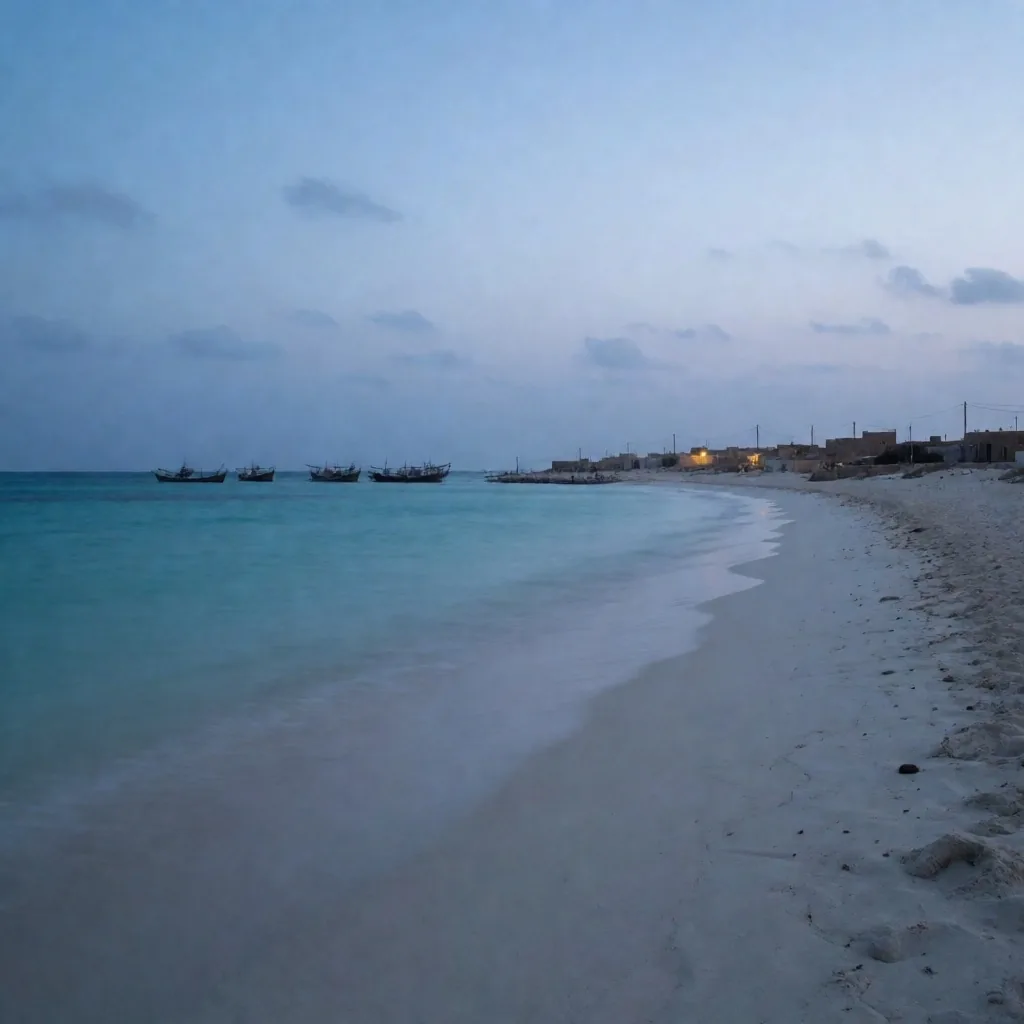
Shallow sandy bottom · Temperate breeze · Fishing villages
Red Sea Reef Systems
Water clarity on the eastern coast is often unmatched, with visibility reaching up to thirty meters on calm days. This makes snorkeling and shore diving straightforward — you can see the reef structure from the surface before you enter.
It is essential to choose entry points that do not damage the coral. Many areas install floating jetties so snorkelers can walk out over the reef and enter the water without stepping on it. Use them whenever they are available.
The reefs support thousands of marine species. You will likely see butterflyfish, angelfish, and wrasse within minutes of entering the water. The kaleidoscope of color sits just below the surface — you do not need to go deep to find it.
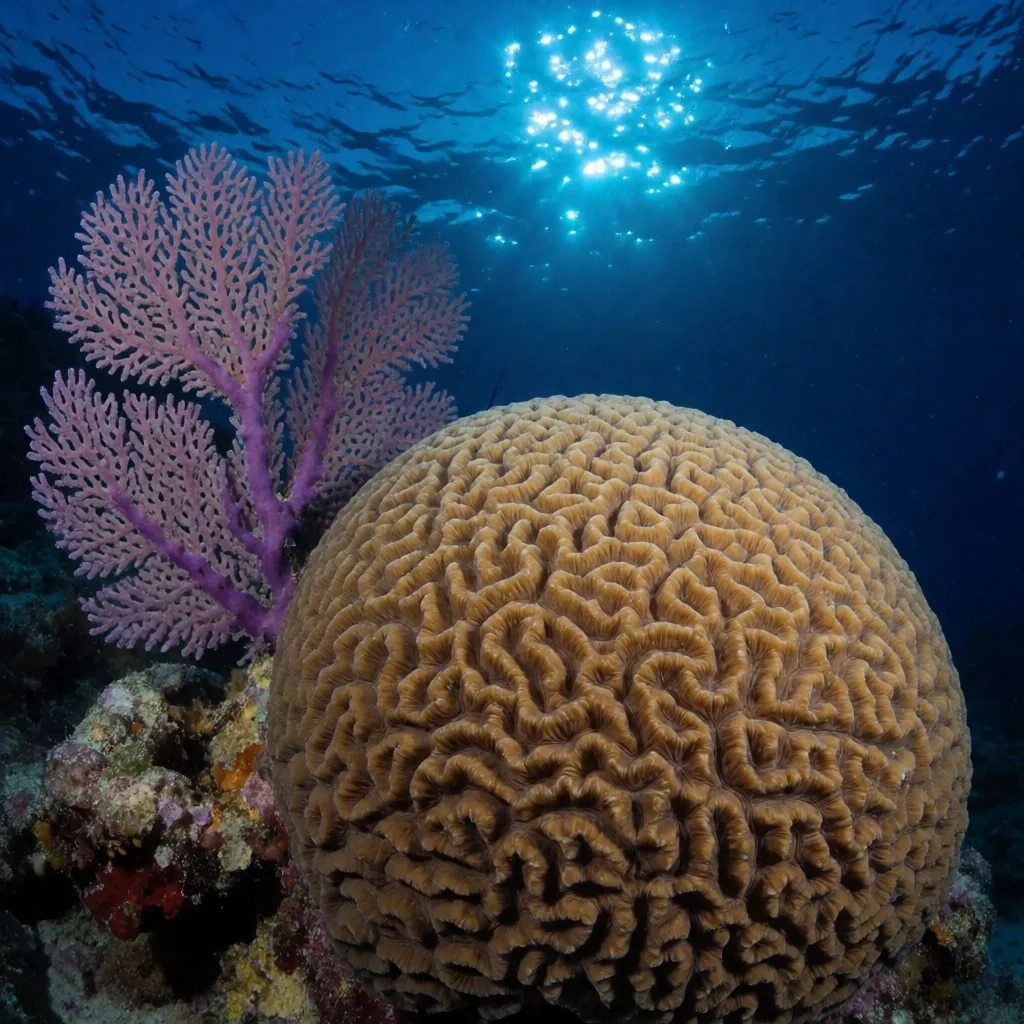
The eastern coast's reputation rests on these reefs. They begin close to shore — sometimes within ten meters of the beach — which means you can snorkel from the beach without a boat. The reef wall typically drops to about fifteen meters before shelving off into deeper blue. If you are new to the area, start at sites with marked entry channels and avoid touching anything. Coral is fragile and slow-growing; a single careless step can undo decades of growth.
These egypt travelling guides focus on natural characteristics — water clarity, sand texture, and reef structure — so you can judge each site on its own terms.
Secluded Bays of the South
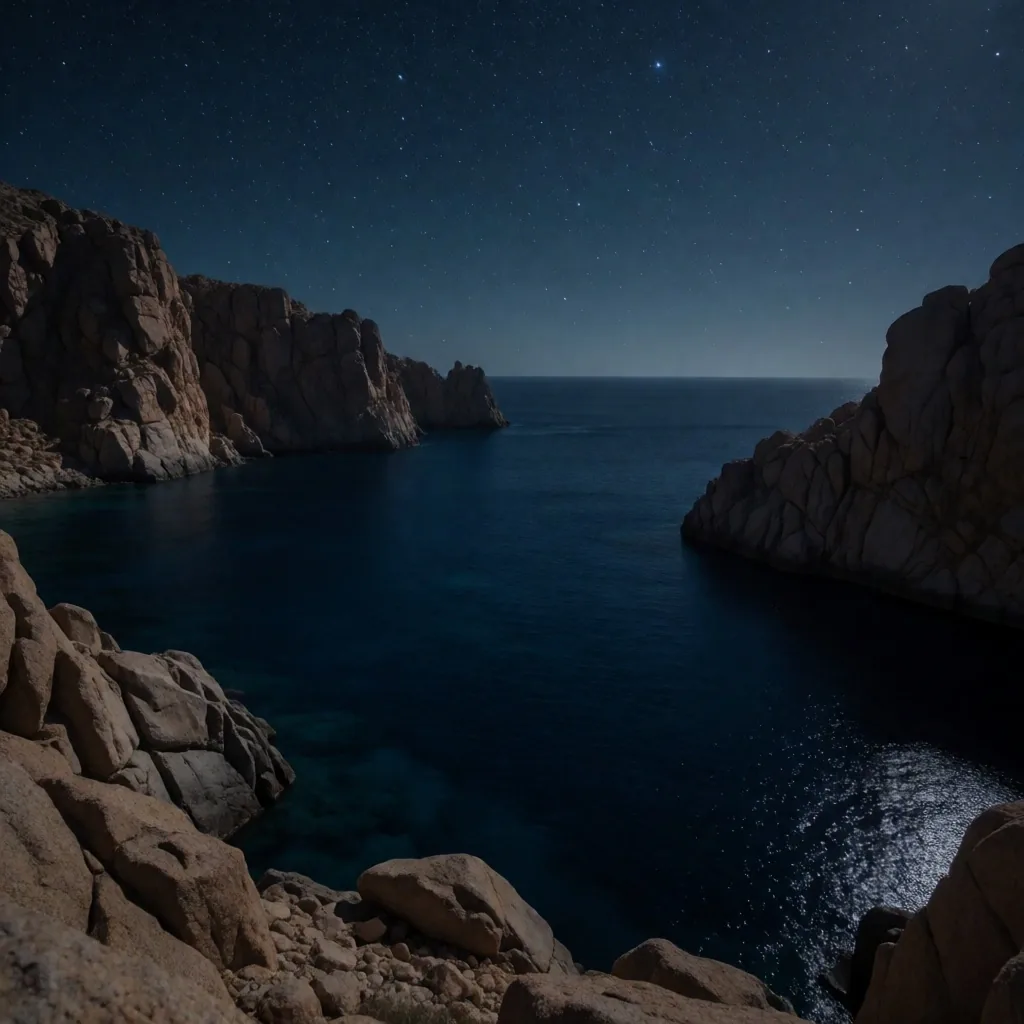
Heading further south along the Red Sea, the landscape shifts. Sandy beaches give way to rugged headlands, and the crowds thin out. Here you can find deep-water bays sheltered by natural rock formations — places where the open sea is held at bay by a curve of granite or limestone.
These spots reward travellers who are willing to travel the extra distance. The lack of large-scale development in some southern pockets means fewer facilities, but also a genuinely quiet coastal experience. The silence at night, under a vast desert sky, is something the more developed northern towns cannot offer.
What to expect: deeper water close to shore, cooler currents, and rocky entry points. Bring reef shoes for the sharp stone. The trade-off is solitude and a closer connection to the raw geography of the Red Sea rift — the sharp line where the African plate meets the sea.
Sandy entries, floating jetties, easy access, busier shorelines
Rocky entries, deeper water, solitude, limited facilities
The Gulf of Aqaba
This narrow strip of water sits between the Sinai Peninsula and the Arabian Peninsula, and it is known for its dramatic backdrop of granite mountains. The contrast between the deep blue water and the red-hued peaks that rise directly from the shore is immediate and striking — there is no coastal plain here, no gradual transition. The mountains are the coast.
The towns along this gulf are often more laid back than their southern Red Sea counterparts. They cater to independent travellers and those interested in wellness and water sports rather than large-scale resort operations. The pace is slower, and the focus is on the water — diving, windsurfing, and shore snorkeling.
The currents here can be stronger than on the western Red Sea coast. Check local conditions before swimming, and ask about the direction of the longshore drift. Several sites are drift dives — you enter at one point and exit at another — which is excellent when planned, but disorienting if you are not expecting it.
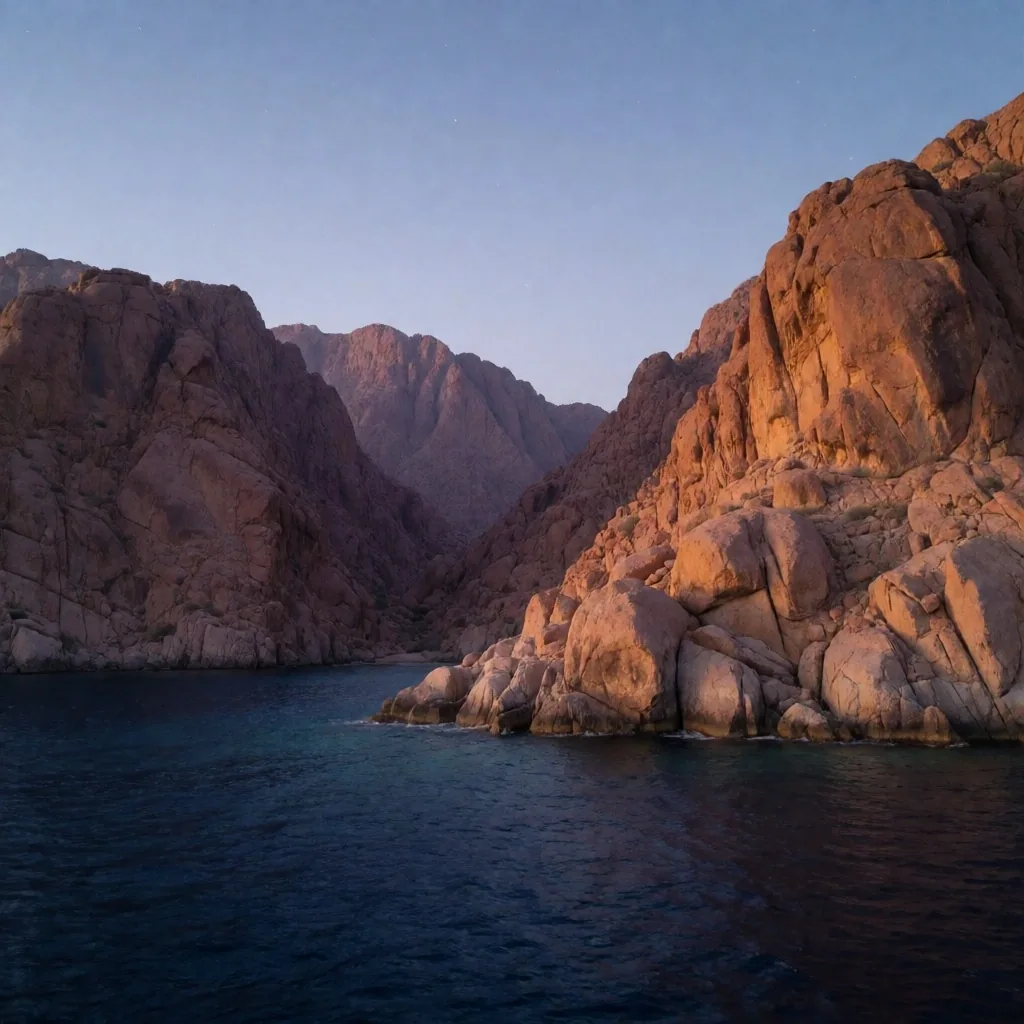
Check currents before swimming · Drift-dive sites common
Lagoons, Natural Pools, and Salt Lakes
Natural Pools
In certain areas, the tide creates natural lagoons protected from the open sea. These calm pools are perfect for families or those who prefer still water. They often serve as nurseries for small fish and other marine organisms, providing a safe environment for observation. The water tends to be warmer than the open ocean — a pleasant soaking temperature that holds well into the evening.
Salt Lakes and Marshes
Beyond the open sea, the coast features several salt lakes and coastal marshes. These are ecological hotspots, particularly for birdlife — migratory species stop here in numbers during spring and autumn. The coastal salt marshes near the delta are as fascinating as the famous inland pools, with unique salt-tolerant flora that survives in conditions few plants can handle.
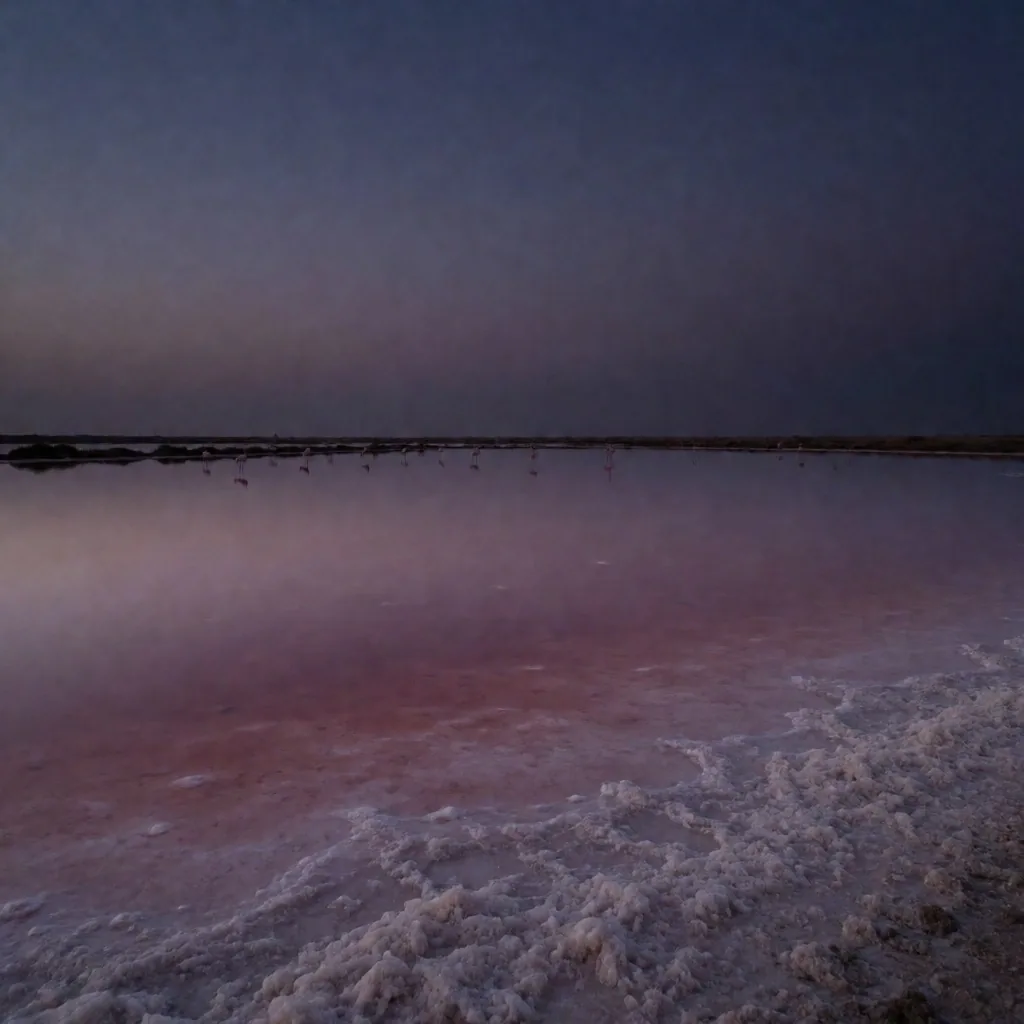
These environments show the diversity of water-based landscapes available to the curious explorer. The transition from open sea to sheltered lagoon to salt marsh happens within a few kilometers in some coastal stretches, and each zone supports entirely different wildlife. If you are planning a birdwatching stop, the marshes near the northern delta are the most productive — bring binoculars and visit in the early morning before the heat haze builds.
Coastal Hiking Trails
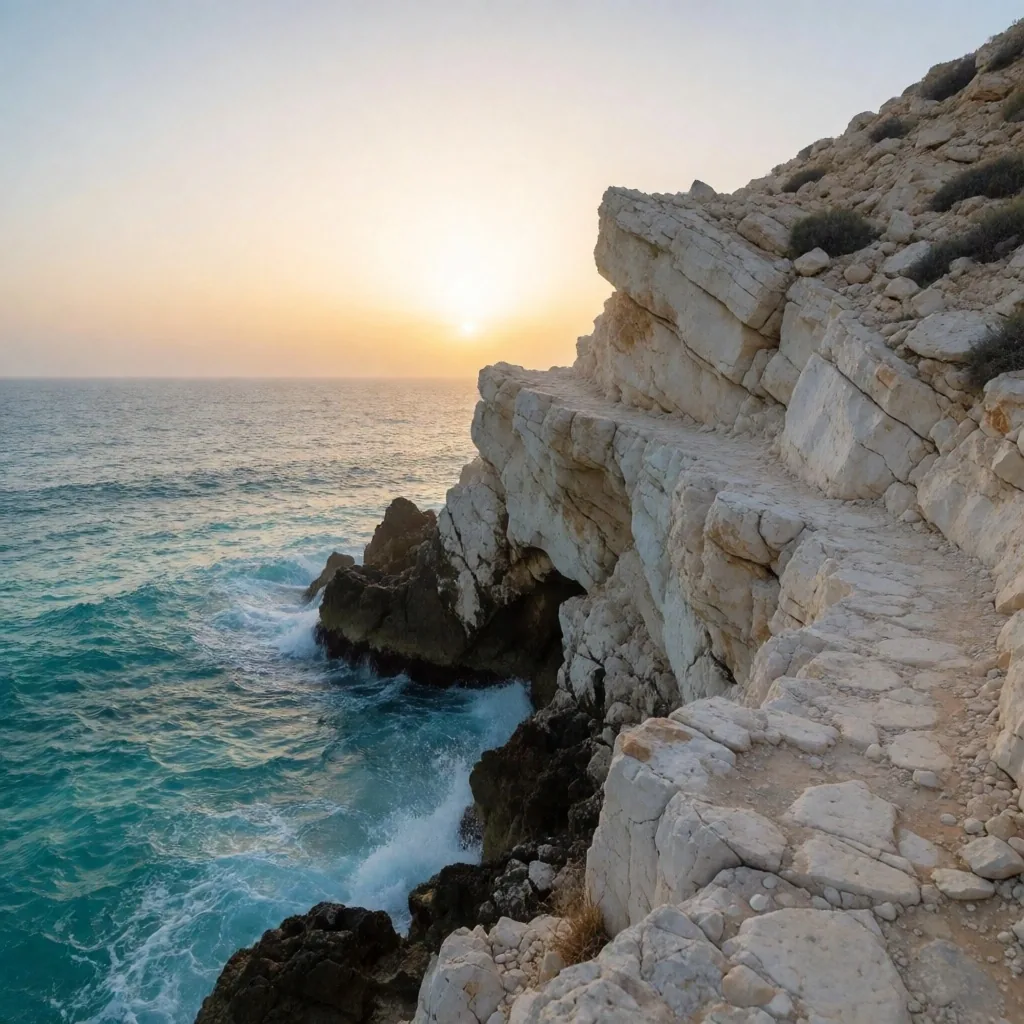
For those who prefer to stay on land, many coastal areas offer paths that wind along the cliffs and beaches. These trails provide elevated views of the horizon and the chance to see the interaction between the desert and the sea — a line where two ecosystems meet without a buffer zone.
The terrain can vary from soft sand to sharp limestone, and the change can happen within a single stretch of trail. Sturdy footwear is essential. Walking these paths at sunrise provides a peaceful start to the day, avoids the midday heat, and catches the light when the desert rock glows warm and the sea is at its calmest.
Most trails are not marked with formal signage. Ask locally for the current condition of any path, and carry water — there is no shade on the exposed cliff sections, and the sun becomes intense by mid-morning even in winter.
Sturdy closed-toe footwear for sharp limestone
Carry water — no shade on exposed sections
Start at sunrise to avoid midday heat
Ask locally for current trail conditions
Conservation Areas and Wind Sports
Marine Conservation Areas
Protected ReservesSeveral stretches of the coast are protected as national parks or marine reserves. In these areas, strict regulations ensure the environment remains undisturbed. Visitors are often required to stay within specific zones and avoid any activities that could harm the local wildlife.
Supporting these reserves through responsible visitation helps fund the ongoing protection of the region's biodiversity. Pay attention to boundary markers, do not collect shells or coral, and keep a respectful distance from nesting birds and turtles.
Windsurfing and Kitesports
Wind and Shallow WaterThe consistent northern winds make certain parts of the Red Sea coast a hub for wind-based water sports. Locations like Ras Sudr and Safaga are known for their reliable conditions, attracting enthusiasts from around the world. Even if you are not a participant, watching the colorful kites against the blue sky is a quintessential part of the coastal atmosphere.
The shallow waters in these areas provide a safe learning environment for beginners. Most kite schools operate on wide sandy spits where the water stays knee-deep for hundreds of meters — ideal for building confidence before heading into deeper water.
Seasonal Coastal Shifts
The experience of the Egyptian coast changes significantly with the seasons, and understanding these cycles allows you to pack appropriately and set realistic expectations for your seaside holiday.
Winter on the Mediterranean can be rainy and cool — suitable for brisk walks and seafood dinners rather than swimming. The sea turns grey and energetic, and many of the smaller beach towns quiet down considerably. Conversely, the Red Sea remains warm enough for water activities throughout the year, with surface temperatures rarely dropping below 21 degrees Celsius even in January. The evenings can be chilly, though, especially in the southern bays where the desert drops its heat quickly after sunset.
Summer on the Red Sea coast is hot — often above 40 degrees by midday. Most travellers plan water activities for early morning or late afternoon and spend the middle of the day indoors. The Mediterranean coast is more comfortable in summer, which is why it serves as a domestic escape from the southern heat.
Comfortable breeze, warm sand, peak domestic travel season
Rainy, cool, better for walking than swimming
Warm water, chilly evenings, fewer crowds, comfortable diving
Extreme heat midday, plan water activities early or late
Where to Go Next
These travel guides cover the natural characteristics of each shore — water clarity, sand texture, wind exposure, and crowd levels — so you can match a destination to what you actually want from a coastal day. Use the routes below to continue planning.
Questions about a specific coastal area or need help planning your route? Reach out — our travel guides are built on real visits and we respond to every enquiry.
Reach OutThe Egyptian coast is not a single destination. It is a collection of shores, each with its own wind, sand, and water — waiting to be read on its own terms.