About — Explore Egypt Today
Our Mission for Independent Exploration
Our Position
We created this space for independent travellers who value nature and environmental awareness over packaged convenience.
Method
Every guide is researched on foot, written by enthusiasts who have spent years in the regions they cover.
Independence
We do not accept payment for reviews or promote specific commercial entities. Our advice stays focused on the traveller into Egypt.
Contact the EditorsThe Premise
The best way to experience a country is to understand its land, its climate, and its natural inhabitants.
Explore Egypt Today exists to fill a gap in the information available to independent travellers who value nature and environmental awareness. We provide educational content that helps visitors navigate the Egyptian landscape with respect and curiosity. Our work is built on the belief that travel guides should come from people who have actually walked the ground, slept under the stars, and listened to the wind in the wadis.
We are an independent editorial team dedicated to promoting sustainable and mindful travel. Every egypt travelling guide we publish starts with a simple question: what does a visitor need to know to move through this place without leaving it worse than they found it?
Section 01 — Editorial Independence
Advice that answers to the traveller, not a sponsor
We take editorial independence seriously. Our guides are researched and written by a team of enthusiasts who have spent years exploring the different regions of Egypt. We do not accept payment for reviews, and we do not promote specific commercial entities. This keeps our advice objective and focused entirely on what a traveller into Egypt actually needs.
When we recommend a route, a resting spot, or a seasonal window, it is because we have been there and found it worth sharing. If a place is crowded, overdeveloped, or ecologically fragile, we say so. The goal is to give you the clearest picture we can, so your decisions are based on reality rather than marketing.
Section 02 — What We Prioritise
Three commitments that shape every guide
A Focus on the Environment
Our primary focus is the natural environment. While many guides focus on urban centres, we look at the coasts, the deserts, and the river valleys. Protecting these natural sites matters, and we aim to educate our readers on how to be part of the solution.
Our content emphasises leave-no-trace principles and supports local conservation efforts. We explain the logic behind the rules, so you understand why a guideline exists rather than just following it.
Respect for Local Culture
The land and the people are inseparable. Our guides include information on local customs and etiquette to help visitors interact respectfully with the communities they visit. Travel should be a two-way exchange that benefits both the visitor and the host.
By understanding the local culture, you gain a deeper appreciation for the land itself. A greeting in the right dialect, an understanding of meal times, a sense of when to step back — these details open doors that no itinerary can.
Promoting Slow Travel
We are strong advocates for slow travel — the idea of spending more time in fewer places to truly understand them. Our guides help you find the quiet spots and the hidden trails that are often overlooked by fast-paced tours.
By slowing down, you reduce your environmental impact and increase your chances of having a meaningful experience. A single wadi explored over three days teaches you more than ten visited in a rush.
Section 03 — Evidence-Based Guidance
We explain why, not just what
When we provide safety tips or environmental information, we base it on the best available local knowledge and environmental science. We do not just say "do not touch the coral" — we explain why it is harmful and what the consequences are for the ecosystem. This educational approach helps our readers make informed decisions during their travels.
A Practical Example
Coral polyps live inside a fragile calcium skeleton. The oils on human skin disrupt their feeding cycle and can introduce bacteria that causes bleaching. A single touch can kill a polyp colony that took decades to grow.
Topic
Typical Guide Advice
Our Approach
Reef Etiquette
"Do not touch the coral."
We explain the biological mechanism, the recovery timeline, and how to adjust buoyancy so contact does not happen in the first place.
Desert Water
"Carry enough water."
We break down intake by body weight, temperature, and exertion level, and note where reliable springs still exist along specific routes.
Village Visits
"Be respectful."
We describe greeting customs, photography norms, invitation acceptance cues, and when it is appropriate to decline hospitality gracefully.
Section 04 — Our Team's Background
Writers and photographers who have walked the ground
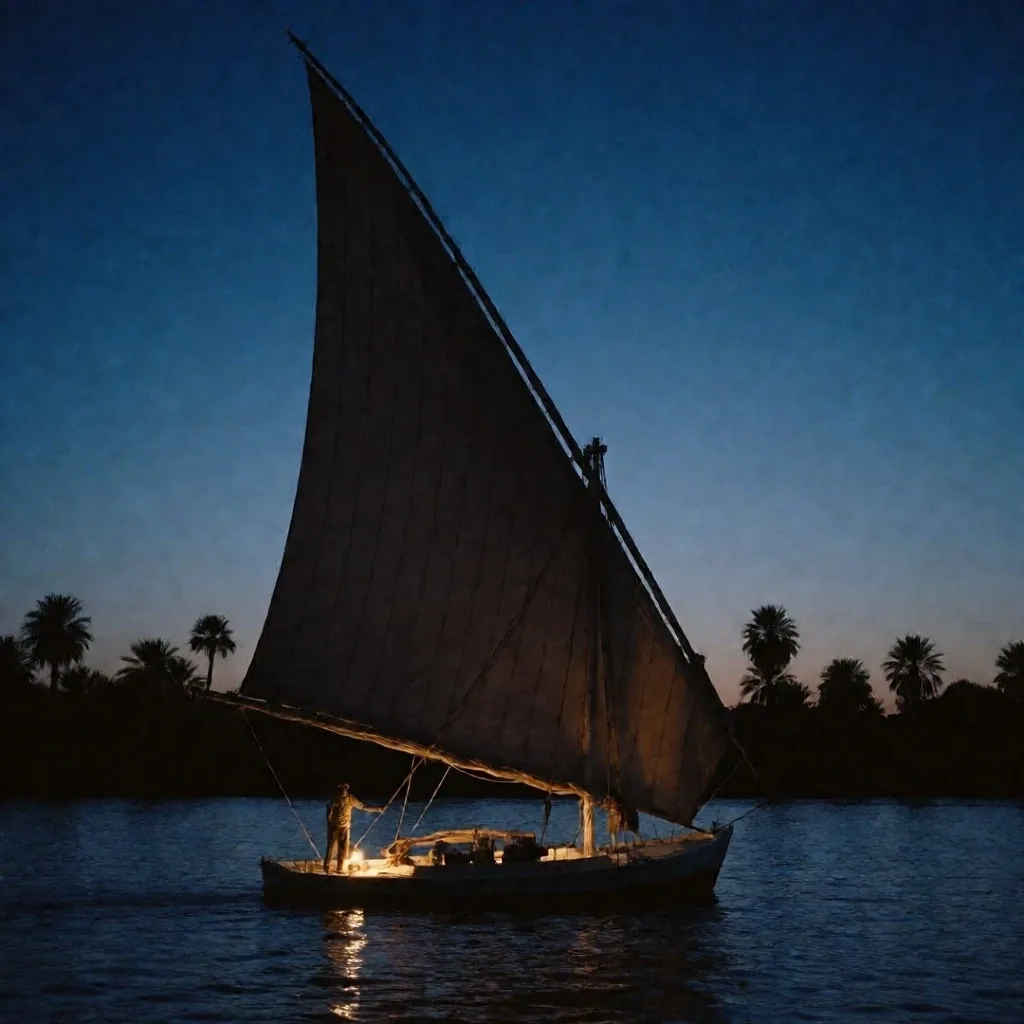
Our team consists of writers, photographers, and environmentalists who share a deep love for Egypt's natural beauty. We have hiked the Sinai mountains, sailed the Nile in feluccas, and trekked across the Great Sand Sea. This hands-on experience is the foundation of every guide we publish.
We are constantly updating our content based on our own new explorations and feedback from our readers. A trail that was passable last year may have washed out; a coast that was quiet in spring may be crowded by late summer. We track these changes because we are still out there, still moving through the landscape.
Section 05
Why we do this
We do this because we believe that Egypt's natural world is a treasure that deserves to be known and protected. We want to inspire others to step off the beaten path and discover the incredible diversity of the Egyptian landscape.
By providing the right information, we help travellers explore safely and responsibly. The reward is not just a better trip — it is a relationship with a place that lasts long after the journey ends.
Section 06
Supporting local knowledge
We actively seek out and incorporate knowledge from local guides and residents. Their understanding of the land, passed down through generations, is an invaluable resource that we want to share with the world.
By highlighting traditional practices — how to read dune shapes for wind direction, where the seasonal springs flow, which plants signal good ground — we help keep this cultural heritage alive and useful.
Section 07 — How We Stay Honest
Accuracy is a moving target we chase together
Our Commitment
Accuracy
We strive for the highest level of accuracy in all our content. If you find something that is out of date or incorrect, we encourage you to reach out and let us know. The landscape is constantly changing, and we are committed to keeping our guides as current and useful as possible.
Report an updateYour Role
Joining Our Community
We see our readers as a community of like-minded explorers. We encourage you to share your own experiences and observations from your travels in Egypt. By working together, we can build a comprehensive resource that helps everyone enjoy the natural beauty of this incredible country.
Share your observationsContinue
Read our values, meet the team, or write to the editors
If our approach resonates with how you want to travel, the next step is simple. Browse the guides, read the values that anchor them, or send us a note. We answer every message.
Our Values
What you can expect from every guide we publish
- — Independence from commercial influence in every recommendation
- — Environmental context that explains the why behind the rule
- — Cultural respect woven into practical navigation advice
- — First-hand research, updated as conditions change on the ground
- — Encouragement of slow, deliberate travel over rushed itineraries
Get in touch
Address
Rosendalsvägen 3
115 21 Stockholm
Phone
+20 2 2395 1689
Hours
Mon–Fri: 9:00–18:00