Traveler Safety and Emergency Guidance
Egypt is a safe and welcoming destination — and like any travel experience, it asks for a level of awareness and preparation. This guide covers the practical details that help you move through natural and urban environments with confidence: health precautions, water and food habits, sun exposure, wildlife distance, city traffic, and desert travel. Being informed is the first step toward a journey that feels steady rather than stressful.
Health and Vaccinations
Before departure, speak with a travel health professional about recommended vaccinations. No specific shots are legally required for most visitors, but keeping your routine immunisations current is always worthwhile.
Pack a small supply of common medications for stomach upsets — changes in diet and water can catch even seasoned travellers off guard. A basic kit with rehydration salts, pain relief, and antihistamines saves you a late-night pharmacy hunt in an unfamiliar city.
Confirm routine vaccinations with your doctor four to six weeks before departure so any side effects settle before you travel.
Rehydration salts, basic pain relief, antihistamines, and any personal prescriptions in their original packaging.
Carry your vaccination record and a brief medical summary — useful if you need to visit a clinic while away.
Pharmacies are common in towns, but specific brands may differ — bring what you know works for you.
Water and Food Safety
Drink bottled or filtered water throughout your stay — including when you brush your teeth. Tap water in many areas is treated differently than what your system may be used to, and even a small change can upset your stomach for a day or two.
When choosing where to eat, look for places with a steady flow of local customers — high turnover means ingredients move quickly and don't sit around. Be cautious with raw fruits and vegetables that may have been washed in local water; cooked traditional dishes are generally very safe and deeply rewarding.
- —Sealed bottled water for drinking and brushing teeth.
- —Peel fruits yourself or skip raw produce from street stalls.
- —Hot, freshly cooked dishes from busy vendors are your safest bet.
- —Avoid ice unless you are certain it was made from filtered water.
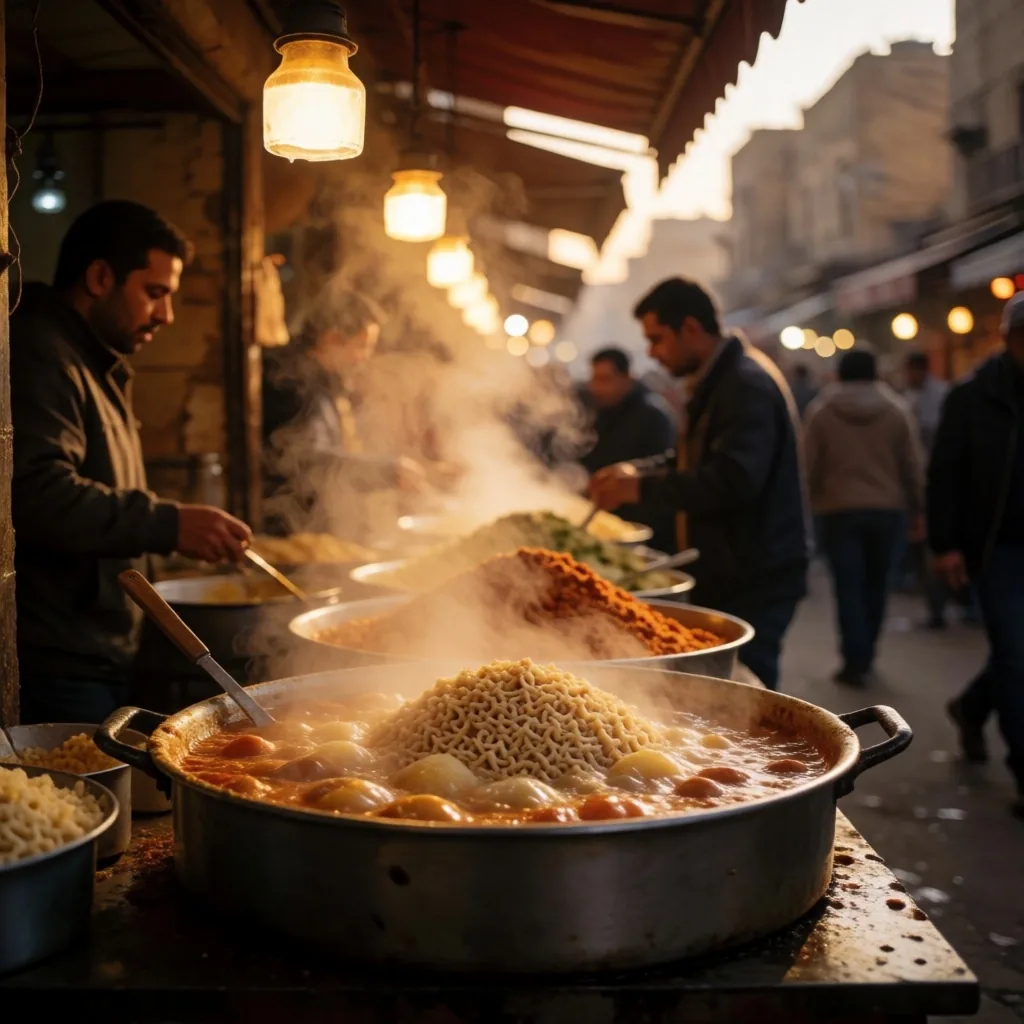
Look for busy stalls — high turnover means fresh food.
Sun and Heat Protection
Heat-related illness is the most common health issue for visitors. Stay hydrated, seek shade through the midday hours, and carry more water than you think you will need — even on cloudy days the sun is strong.
Wildlife Safety
Most wildlife is harmless when given space. Keep a respectful distance, avoid feeding or touching animals, and watch where you step in coastal water to avoid stinging creatures or sharp coral. If stung or bitten, seek medical advice promptly.
Navigating Urban Areas
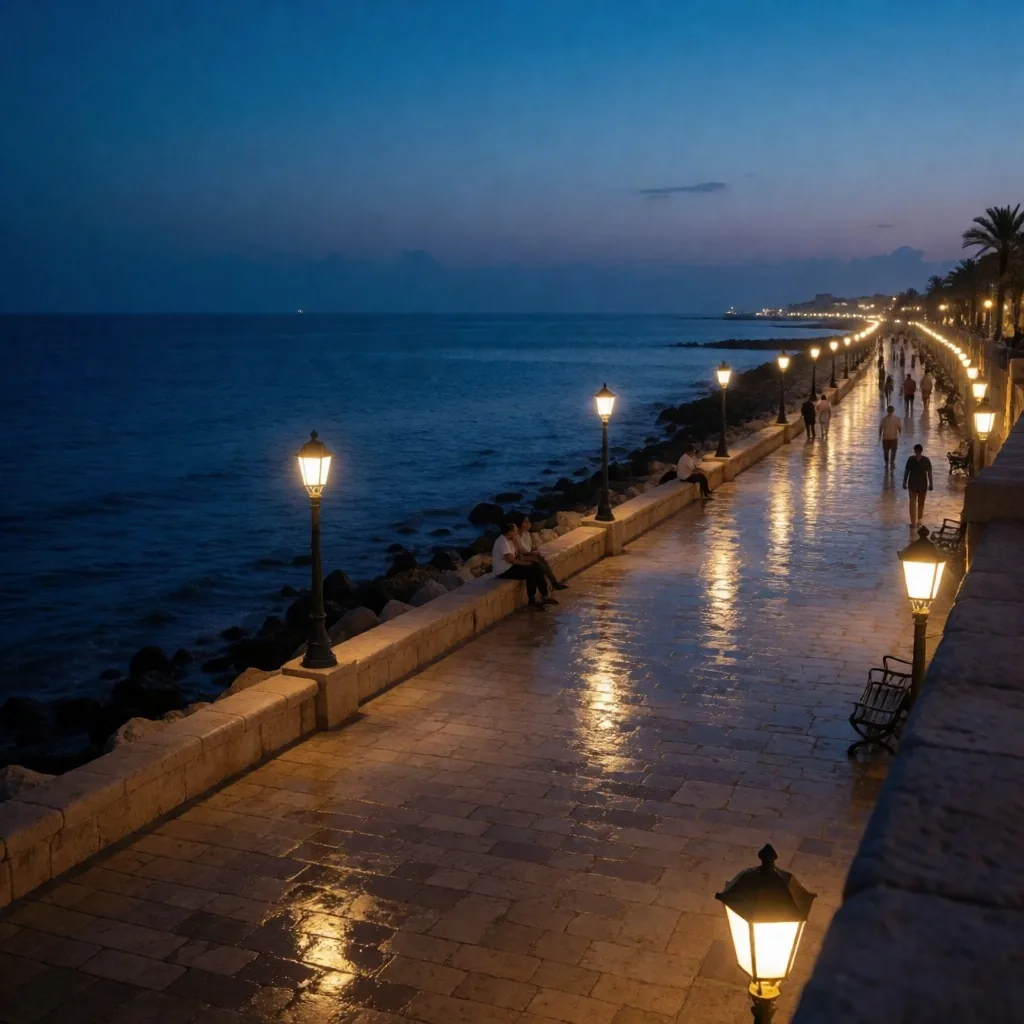
In busy cities, traffic is the main concern. Drivers may not always yield — cross with a group of locals when possible, keep belongings secure in crowds, and stay alert in unfamiliar neighbourhoods after dark.
Desert Exploration Safety
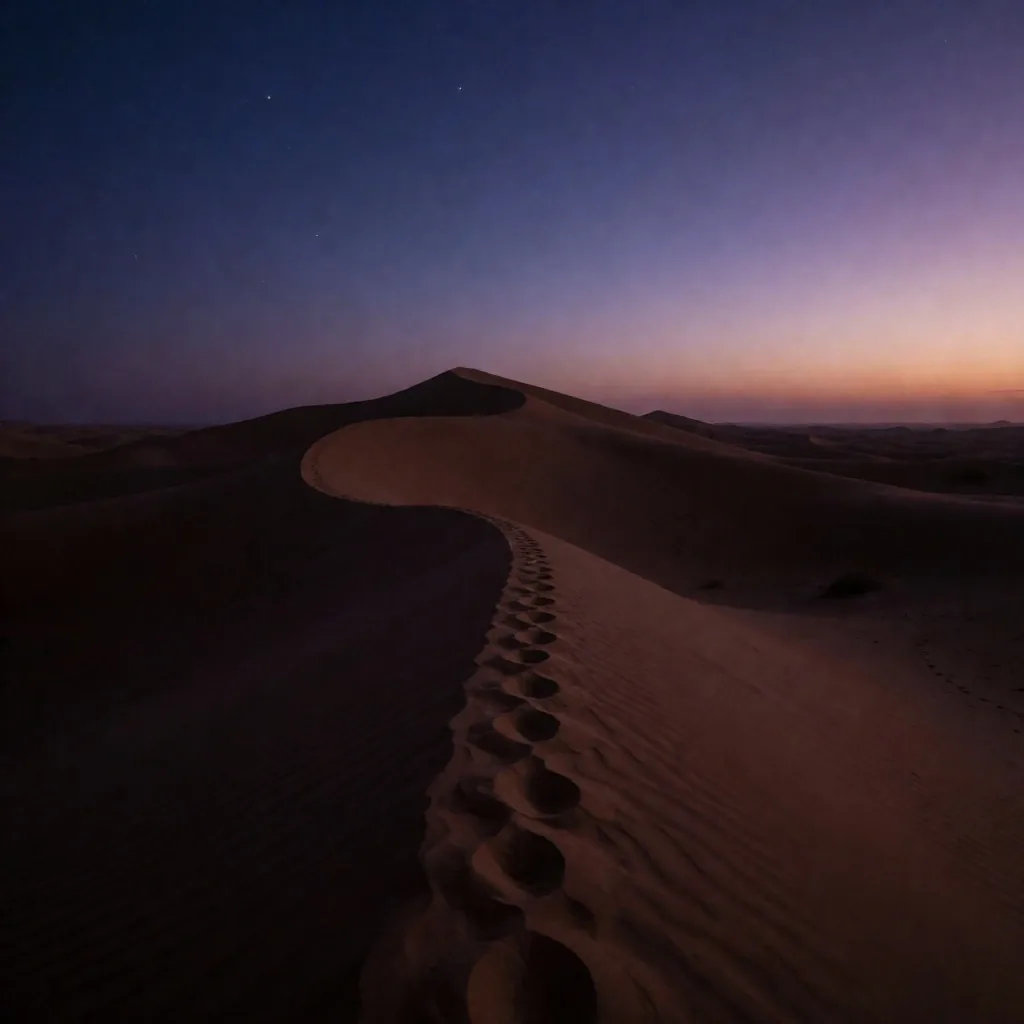
Never head into the desert alone. The scale of the landscape makes it easy to become disoriented if the weather shifts or a trail fades — and help is far away. Tell someone your planned route and expected return time before you set off.
Travel with a reliable guide, carry more water and food than you think you will need, and keep a charged communication device on you at all times. A desert journey is one of the most rewarding experiences in Egypt — treat preparation as part of the adventure.
Staying Informed
Keep an eye on local news and weather reports during your stay — especially in coastal areas where wind and sea conditions change quickly, and in desert regions where sandstorms can reduce visibility without warning. Awareness of your surroundings helps you adjust plans before conditions become a problem.
Emergency Contact Information
Save the local emergency numbers into your phone before you need them. The general emergency number in Egypt is 122 for police, 123 for ambulance, and 180 for fire services. Keep the contact details for your country's embassy or consulate on hand as well — it is a vital part of any safety plan.
General police emergency — reachable from any phone, landline or mobile, across Egypt.
Medical emergencies and urgent health transport. Speak clearly and state your location first.
Fire and rescue services. Move to a safe location before calling if possible.
Common Safety Questions
Is it safe to travel alone in Egypt?
Many people travel independently in Egypt without issue. Staying in well-travelled areas and following local advice is always recommended for solo travellers — connect with other travellers, keep your phone charged, and let someone at home know your daily plans.
What should I do if I get lost?
In a city, find a reputable-looking shop or hotel and ask for help — most people will point you in the right direction. In a natural area, stay where you are to make it easier for others to find you, and use a whistle or light to signal for help.
Is the tap water safe to drink?
Stick to bottled or filtered water for drinking and brushing your teeth. It is widely available and inexpensive. The local water is treated, but it may differ from what your system is accustomed to — better to avoid a preventable upset.
How do I handle the heat?
Drink water steadily through the day, rest indoors or in shade between late morning and mid-afternoon, and wear loose, breathable clothing. If you feel dizzy, nauseous, or develop a headache, stop your activity immediately, find a cool place, and drink fluids.
Still Have Questions?
Our travel guides are built around the practical questions that come up on the ground. Reach out and we will help you plan with confidence.